As a PVC pipe and fittings supplier with over a decade of experience serving residential plumbers, commercial contractors, and agricultural irrigation teams, I’ve heard more than a few stories about PVC installations that went wrong. A backyard sprinkler line that cracked mid-summer, a commercial plumbing system that sprung leaks in its first year, a drain pipe that collapsed under the weight of a basement remodel—all avoidable, if the install steps were done right. Stability isn’t just about picking the right PVC pipe; it’s about every small decision, from ground prep to fitting connections, that adds up to a system that lasts decades. Here’s what I’ve learned, straight from the job sites I visit every week. PVC Pipe & Fittings
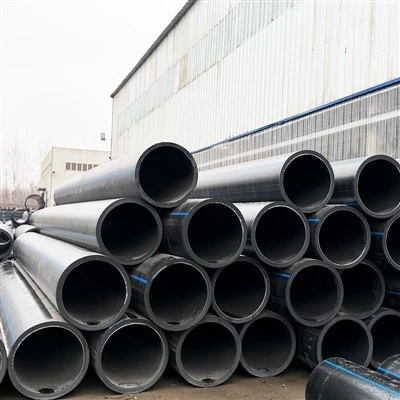
First, let’s talk about groundwork—too many installers skip this part, and that’s where most long-term stability issues start. I once worked with a contractor who laid 200 feet of PVC pipe in a trench filled with loose, rocky dirt, no base layer, and by the next winter, half the line was broken. Rocks shift, soil compacts unevenly, and even small roots can push through pipe walls over time. The fix here is simple: when digging a trench, remove all sharp debris—rocks larger than half an inch, broken concrete chunks, roots, even bits of old pipe. Then add a 2-inch base of fine sand or clean soil, tamp it down lightly so it’s firm but not compacted too tight. This base supports the pipe evenly, so there’s no point pressure on any section. For deeper trenches (anything over 3 feet), you also need to consider soil type: clay soil swells and shrinks with moisture, while sandy soil shifts easily. For clay, a gravel base mixed with sand helps reduce movement; for sand, adding a geotextile fabric between the base and backfill prevents sand from washing into the pipe joints and weakening connections later. I always tell installers: spend an extra hour getting the trench right, and you won’t spend a week repairing leaks next year.
Next, pipe selection isn’t one-size-fits-all. A lot of folks grab the cheapest PVC they can find, but different jobs need different grades. For example, schedule 40 PVC works great for indoor drain lines, but for underground water supply lines, you need schedule 80—it’s thicker, more resistant to pressure changes and temperature fluctuations. If you’re installing a line that’s close to a heat source, like a water heater, make sure it’s rated for high temperatures; standard PVC can warp or leach chemicals if exposed to consistent heat over 140°F. I see so many mistakes here: a homeowner using thin schedule 20 PVC for an outdoor sprinkler line, which cracks after six months of sun exposure, or a contractor cutting corners on pipe grade to keep costs low, leading to premature failure. When in doubt, check the pressure and temperature ratings printed on the pipe. We always mark our PVC pipe and fittings clearly, so you don’t have to guess—if it says “Potable Water Grade,” that’s safe for drinking water, and if it’s rated for 200 PSI, that’s enough for most residential supply lines.
Then there’s the connection step, which is where I see the most preventable failures. PVC joints aren’t just glued together with any cement—you need to use the right cement for the job, and follow the steps exactly. A lot of installers rush this: wipe the pipe and fitting with a rag, slap some cement on, and push them together, then call it a day. But if you skip the primer, the cement won’t bond properly. Primer cleans the surface of any dirt, oil, or moisture, which is essential for the cement to create a watertight, strong bond. Without primer, that joint might look fine for a few weeks, but temperature changes will make it separate, leading to leaks. Also, make sure you’re using cement rated for PVC—CPVC cement won’t work, and vice versa. For underground lines, use heavy-duty PVC cement; for indoor drain lines, regular cement is fine. Another common mistake: not letting the joint cure long enough. I’ve had a contractor install a line and turn on the water after 10 minutes, only to have a joint blow apart. The manufacturer’s instructions say to let it cure 24 hours for pressure lines, and 2 hours for drain lines—follow that, even if it feels like it’s set fast. We always include a quick guide with every case of pipe and fittings, but I still remind installers: don’t cut corners on curing time.
Support and expansion are two more things that trips people up, especially for long runs of pipe. PVC expands and contracts with temperature changes—about 0.08 inches per 10 feet of pipe for every 10°F change. That might not sound like much, but over 100 feet, that’s almost an inch of movement. If you don’t account for that, the pipe will pull away from fittings, or bend and crack under the tension. For outdoor lines, you need to install expansion joints every 50 to 100 feet, depending on the temperature range in your area. For indoor lines, use pipe hangers every 4 feet for horizontal runs, and every 8 feet for vertical runs—don’t just let the pipe hang loose, because that causes stress on the joints. I once visited a commercial building where the contractor installed 300 feet of PVC drain pipe with only two hangers; over a year, the pipe sagged, creating a low spot that trapped water, leading to mold and pipe damage. Even for smaller jobs, like a bathroom sink drain, make sure the pipe is supported so it doesn’t pull on the fittings. For underground lines, if the trench is more than 4 feet deep, you don’t need expansion joints, but make sure the backfill is tamped in layers—6 inches at a time, tamping each layer—to prevent shifting soil from putting pressure on the pipe.
Finally, pressure testing is the last line of defense. Too many installers skip this step, especially for small jobs, but it’s the only way to catch a bad joint or a weak section before it becomes a problem. For pressure lines (water supply, sprinklers), fill the system with water, close all outlets, and check the pressure gauge. It should stay consistent for at least 15 minutes—if it drops, that means there’s a leak somewhere. For drain lines, run a full flow of water and check for leaks at every joint. I always recommend testing even drain lines, because a small leak behind a wall can cause water damage that’s way more expensive than the time it takes to test. A lot of our customers who are first-timers ask if testing is necessary, but I tell them: it’s 10 minutes of work that saves you from hours of repair, and hundreds of dollars in damage.
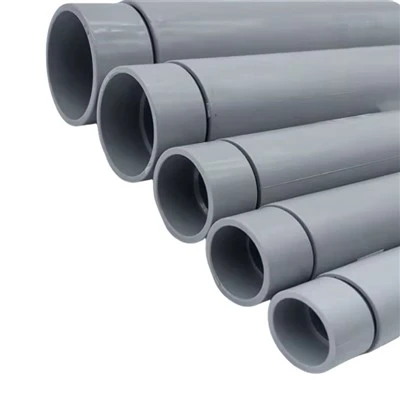
I’ve been in this business long enough to know that stability doesn’t happen by accident. It’s about the base, the pipe, the joints, the support, and the test—every step done right, every choice made to last, not just to get the job done fast. Our team works with contractors, plumbers, and homeowners every day to supply the right pipe and fittings, and we’re here to answer any questions you have about a job, from picking the right grade to walk-throughs on installation steps. Whether you’re doing a small repair or a large commercial project, we have the PVC products you need, and the expertise to help you get it right. If you’re ready to discuss your project, reach out to us to talk through your needs and find the right solutions for a stable, long-lasting PVC system.
HDPE Pipes and Fittings References
- American Society of Testing and Materials. Standard Specification for Poly(Vinyl Chloride) (PVC) Plastic Pipe, Schedules 40, 80, and 120. ASTM D1785, 2022.
- Plastic Pipe and Fittings Association. Installation Guidelines for PVC Piping Systems for Water Distribution. PPFA Publication 101, 2021.
- National Plumbing Code of the United States. Chapter 6: Plastic Piping Systems. IAPMO, 2022.
- Western States Pipe Association. Soil Compaction and Base Preparation for Underground PVC Pipe Installations. WSPA Technical Note 04, 2020.
- International Residential Code. Section 2707: Plastic Drainage, Waste, and Vent Piping. ICC, 2021.
Shanxi Kaisheng Plastic Co., Ltd.
Shanxi Kaisheng Plastic Co., Ltd. is one of the most professional PVC pipe & fittings manufacturers and suppliers in China, featured by quality products and good price. Welcome to buy durable PVC pipe & fittings made in China here and get quotation from our factory. We also accept customized orders.
Address: No.72, Area S, Gate 1, Haohai Wumart, Fendong Street, Xiaodian District, Taiyuan City, Shanxi Province
E-mail: sxkssj8@163.com
WebSite: https://www.sxksgys.com/
