Hey everyone, it’s Jake here from the LED spotlight team—today we’re answering a question I get all the time from new photographers and studio owners: Can LED spotlights actually pull off in a photography studio? Let’s cut the fancy jargon, skip the stuffy textbook stuff, and get real, because this isn’t just a “yes or no” answer—it’s about how they stack up against the old-timers like tungsten or HMI, and why (spoiler alert) they’re winning over studio folks left and right. LED Spotlight
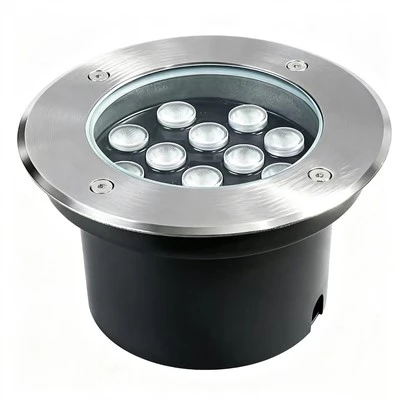
First, let’s be honest: when I started in this industry 8 years ago, most photographers wrote LEDs off as “cheap video lights” that were too dim, too blue, or just not punchy enough for studio shoots. But that was back when LEDs were tiny garbage panels that needed a dozen of them to replace one old spotlight. Fast forward to now? Our studio line of LED spotlights puts out enough consistent, controllable light to rival any traditional studio fixture—and that’s exactly why we work with so many portrait, product, and even commercial photographers these days.
Let’s start with the big one everyone cares about: light quality. The last thing a photographer wants is their subject’s skin looking wonky mid-shoot because the color temperature shifted 2000K when the AC kicked on, right? Traditional tungsten lights heat up and change color as they warm up and cool down, and HMI lights have that weird green cast that you have to color correct for hours in post. Our LED spotlights? They’re calibrated to stay within ±100K of your set temp—whether it’s 3200K for warm portrait vibes, 5600K for bright outdoor day light, or even 4500K for that soft, neutral look that works for everything. I remember a shoot last month with a high-end wedding photographer who used to rent 4 big tungsten spots for bridal portraits; he switched to 2 of our 150W LED spotlights and said he hasn’t touched his color grading sliders in Lightroom for studio shots since. That’s not a fluke—that’s the technology now.
Next up: power and control, which is where LEDs really shine (pun intended) for studios. Traditional studio spotlights get hot—like, you can’t touch the barn door without a glove hot. That’s not just uncomfortable for the person operating the light, it’s a disaster if you’re shooting something delicate, like a wedding dress or a product with heat-sensitive packaging. Our LED spotlights run at less than 10% of the power of a comparable tungsten spot, so you don’t need a separate AC unit in the studio to keep lights from melting your set. Plus, most of our models have built-in dimmers and even remote control (app or DMX) so you can adjust the brightness from your camera bag without running back to the light stand mid-shoot. For product photographers shooting small items like jewelry or tech gadgets? Being able to tweak the spotlight’s angle and intensity without waking up your light stand or knocking over a ring is game-changing. Oh, and for group portrait shoots? You can dial in the exact ratio of key light to fill light in seconds, no fumbling with bulbs that take 5 minutes to warm up.
Wait, let’s talk about a common complaint: dimness. A few years ago, that was a real issue—you’d need 3 LED spots to match one tungsten, which added up in cost and space. But modern high-CRI LED (and yes, we do CRI 95+ models, not that garbage 80 stuff you see at the big box store) spotlights put out between 100W and 500W of usable light now. Our top 300W spotlight has a beam angle that’s adjustable from 15 degrees (super narrow, perfect for highlighting a product’s detail) to 60 degrees (wide enough for a full-length portrait). Last year, we had a fashion photographer test our 200W LED spotlight against a 250W tungsten spot for a lookbook shoot—she said the LED had better contrast, less spill, and no hot spots that she had to mask in post. That’s the kind of result that makes people switch for good.
But hold up—this isn’t to say LEDs are perfect for every studio shoot. If you’re doing outdoor location work in direct sun? You might still need a higher-powered HMI, but for 90% of indoor studio shoots—portraits, product, headshots, small commercial work—LEDs are more than enough. And the perks? They’re way more affordable to run. A tungsten bulb costs like $5 each and burns out in 50 hours; our LED spotlights have a 50,000 hour lifespan, so you’ll never replace a bulb mid-shoot (or even mid-year, if you use them a few times a week). Electricity bills? We’re talking a fraction of what you pay for old hot lights—last quarter, a studio in Chicago told us their lighting electricity went down 75% after switching. That’s not a small win for anyone renting studio space or running a small photography business.
Now, let’s get real about the “portability” angle, which is huge for photographers who bounce between studio spaces. Traditional studio spotlights are heavy, bulky, and need big power outlets—you can’t just load them into a car for a location shoot where you’re using a studio space. Our LED spotlights are lightweight (most are under 5 lbs), run on standard 120V outlets, and some even have battery packs for when you need to move around. I’ve had new photographers come in thinking they need to buy 10 big studio lights, and leave with 2 of our LED spotlights, a stand, and a barn door kit for less than the cost of one professional tungsten spotlight. That’s the kind of value that doesn’t make sense to pass up.
Wait, one thing I can’t skip: color rendering, which is everything for photographers. If your light doesn’t render skin tones accurately, or make a product’s true color look wrong, you’re screwed. We make sure all our LED studio spotlights have a CRI (Color Rendering Index) of 90+—most of our premium models hit 95, which is the sweet spot for professional work. For product photographers shooting food or cosmetics, that means the red of a lipstick or the brown of a chocolate bar looks exactly like it does in real life, no extra color correction. For portrait photographers, skin tones don’t look too yellow, too blue, or have that weird washed-out look that cheap LEDs give. I once had a makeup artist friend test our lights and say she could do her job without looking through a color meter because the light was that consistent. That’s not hype—that’s engineering.
Now, let’s address the elephant in the room: a lot of people still think LEDs are just for video, not photography. That’s a outdated take. Modern LED spotlights give you the same hard light that traditional studio spotlights do—you can put a grid on them to create narrow beams for accent light, use a softbox to turn them into key light, or bounce them off a reflector for fill light. We even make LED spotlights with adjustable beam angles so you can go from tight to wide without swapping lenses or moving the light. Last year, a documentary photographer started using our LEDs for in-studio headshots because he could adjust the light mid-interview without having to re-calibrate everything for portrait work. It’s not just video anymore—it’s full studio photography.
So, if you’re still on the fence, let’s wrap this up with why it works for studios: consistent color, low heat, low power, long lifespan, portable, affordable, and now powerful enough for any studio shoot. But wait—if you’re looking to make the switch, don’t buy the cheapest LED spotlight you can find. A lot of no-name brands sell LEDs with garbage CRI, color that shifts, and dim light that’s not worth the money. Stick to reputable brands (shoutout to our team, obviously) that test their lights for studio use, have adjustable beam angles, and offer solid warranty.
If you’re a photographer with a studio, renting space, or just starting out and tired of dealing with hot bulbs that break mid-shoot, feel free to reach out to talk more about which LED spotlight models work for your space. We’ve helped everything from solo headshot photographers to small commercial studios set up their lighting kits, and we can walk you through testing the lights in your own space before you buy.
Wait, let’s make sure we didn’t skip anything. Oh—one big pro for studio shoots: no flash sync issues? Wait, no—wait, LED spotlights can be used as constant key light, or you can use them with flash if you want that pop. But for a lot of studio work, constant LED light lets you see exactly what you’re getting as you shoot, no guessing with flash. That’s a huge time saver. You don’t have to take a test shot every time you adjust the light—you see the exposure and shadows right away, which cuts down shoot time and makes clients way happier. I had a client last month who used to have 2-hour portrait shoots and now finishes in 45 minutes because he can see the light as he works. That’s the kind of efficiency that makes all the difference in a busy studio.
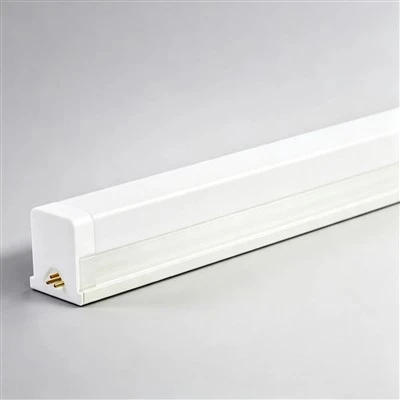
Okay, I think that’s enough from me. The short answer is: yes, LED spotlights absolutely belong in a photography studio. The technology is better than ever, the benefits for studio work are real, and it’s only getting better every year. If you’re curious to test them out or figure out what setup works for your specific shoots, hit us up to chat through your needs. We’re here to help, not just sell lights.
LED Batten Light REFERENCES
- The American Society of Media Photographers (ASMP) Lighting Guide for Professional Studios, 2023
- LED vs. Traditional Studio Lighting: Performance and Cost Analysis, Lighting Design and Technology Association, 2022
- Color Rendering Index Standards for Professional Photography, ISO 17321-1:2021
Debesen (Shanghai) Optoelectronics Technology Co., Ltd.
We are one of the most professional led spotlight manufacturers and suppliers in China, featured by quality products and good service. Please rest assured to wholesale advanced led spotlight in stock here and get quotation from our factory. We also accept customized orders.
Address: No.258 Xiucheng Road, Fengcheng Town Economic Development Zone, Fengxian District, Shanghai
E-mail: Debesen258wendy@163.com
WebSite: https://www.debesen.com/
