If you run a feed mill, biomass processing plant, or even a small farm that produces animal feed or wood pellets, you know that a pellet mill is only as good as its die. I’ve been supplying pellet mill components and full machines for over a decade, and I’ve seen it all: customers who pick the wrong die, waste months of production time, burn through raw materials, and end up frustrated. Others? They take a little time to understand how to choose the right die, and their throughput jumps by 30% or more, their pellets are more consistent, and their operating costs drop dramatically. Today I want to share the practical, science-backed lessons I’ve learned working with hundreds of clients—from small, home-based pellet producers to large-scale agricultural operations—to help you avoid the most common mistakes. Pellet Mill Machine
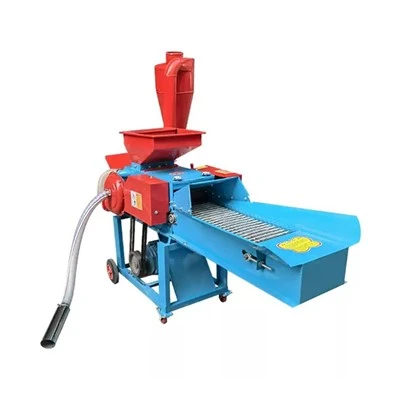
First, let’s get clear on what a pellet mill die actually does. If you’re not a machinery expert, here’s the simplified version: the die is a round steel plate (for ring die pellet mills, the most common type for commercial use) or a flat plate (for flat die mills) covered in small, precision-drilled holes. When raw material—whether it’s corn stalks, alfalfa, wood sawdust, or chicken feed mash—feeds into the mill, a roller system presses that material through the die’s holes. The material is compressed, heated slightly by friction, and forms solid pellets as it exits the other side. The die’s hole size, thickness, pattern, and material are not just specs on a page—they’re the difference between pellets that crumble before they hit the conveyor, pellets that meet industry feed safety standards, and pellets that you can produce efficiently day after day.
The biggest mistake I see first-time buyers make is choosing a die based solely on hole size. “I need 6mm feed pellets so I’ll just order a die with 6mm holes” is a common line I hear, and it’s almost always the wrong approach. Let’s break down the key factors you need to consider, starting with the type of raw material you’re processing. This is non-negotiable; every material has unique characteristics that demand a die tailored to it.
Animal feed is one of the most common applications, and different feed types require different dies. For example, poultry feed—whether for chickens or turkeys—is usually high in protein and fiber, often made of corn, soybeans, and wheat middlings. These materials are relatively soft but have a tendency to be sticky if not processed correctly. For poultry feed, a die with a 6mm or 8mm hole diameter, and a length-to-diameter (L/D) ratio of 8:1 to 10:1 works best. Wait, what’s an L/D ratio? That’s the length of the die hole divided by its diameter, and it’s the single most important spec you’ll use to match a die to your material. For soft, low-fiber materials like fish feed, which is usually made of fishmeal, wheat flour, and fish oil, you’ll want a lower L/D ratio—around 6:1 to 8:1. Because fish feed is softer, a shorter hole makes it easier for the rollers to push the material through without requiring more power than necessary. If you use an L/D ratio that’s too high for soft fish feed, you’ll end up with broken pellets, and you’ll waste a lot of energy.
Then there’s biomass pellets, which are made of wood sawdust, wood shavings, agricultural residues like rice husks or sunflower stalks, and even energy crops like miscanthus. Biomass materials are much harder and higher in lignin than most feed materials, so they need a higher L/D ratio. For softwood sawdust (like pine or spruce), which is relatively easy to pelletize, an L/D ratio of 10:1 to 12:1 is ideal. For hardwood sawdust (like oak or maple), which is denser and has more rigid lignin, you’ll need a higher ratio—12:1 to 15:1. Rice husks, by contrast, are very abrasive and have high silica content. For rice husk pellets, you’ll want an even higher L/D ratio, around 15:1 to 18:1, but you also need to consider the die’s material hardness to resist wear, which we’ll get to later. If you run a biomass plant and pick a die meant for softwood, you’ll get pellets that are too crumbly to meet heating standards, and you’ll have to run the mill at a fraction of its maximum speed to get any pellets at all.
Next, consider your end product requirements. This ties directly into hole size and L/D ratio, but it’s not just about what’s easier to produce. If you’re making feed for small livestock like rabbits or guinea pigs, you’ll need a smaller die hole—usually 3mm to 4mm—because larger pellets are hard for them to eat. For cattle or cows, a larger hole, 8mm to 12mm, is perfect; bigger pellets reduce feeding time and are less likely to be wasted. For biomass pellets, standard heating pellets are usually 6mm or 8mm in diameter, but some manufacturers make 10mm pellets for industrial boilers. If you’re exporting your pellets, you need to check the standards of your target market; the EU, for example, has strict ISO 17225 standards for biomass pellets that specify both hole size and density, which depends heavily on your die’s L/D ratio.
Another key factor is your pellet mill’s power and capacity. A die that works great in a mill with a 50 horsepower (HP) motor will not work in a 100 HP mill, and vice versa. Let’s do a quick, real example from a client of mine: a small family farm in Iowa bought a used ring die pellet mill with a 50 HP motor, and ordered a die from a supplier that recommended a 10:1 L/D ratio for poultry feed. They ran it for a week and couldn’t get more than 500 pounds per hour, way below the mill’s rated 1,000 pounds per hour. When they called me, I asked about the die’s thickness—turns out, the die was 50mm thick, while the original die for their mill was only 35mm. The thicker die meant longer holes, and their small 50 HP motor didn’t have enough power to push the sticky poultry feed through those longer holes. We swapped it out for a 35mm thick die with a 9:1 L/D ratio, and their throughput jumped to 950 pounds per hour almost overnight. That’s not a story about bad parts—it’s a story about matching your die to your mill’s power, not just your material. If you have a lower horsepower mill (under 75 HP), stick to lower L/D ratios (6:1 to 10:1) and thinner dies to reduce the load on your motor. For larger mills with 100+ HP, you can go higher in L/D ratio and use thicker dies to produce denser pellets.
Now, let’s talk about die material, which is one of the most overlooked and most impactful factors. A die is a consumable part—eventually, the holes will wear down, get larger, or develop burrs that make pellets inconsistent. The material your die is made of determines how long it lasts, and how well it performs with abrasive materials like rice husks or hardwood. The most common die materials I work with are carbon steel, alloy steel, and stainless steel, with some specialty options for extremely abrasive materials.
Carbon steel dies are the most affordable, but they’re also the softest. They work great for soft, low-abrasion materials like alfalfa hay pellets or softwood sawdust, and if you run a small operation that only produces one type of material, they can last 6 to 12 months. But if you use a carbon steel die for rice husks, which have high silica content, you might need to replace it in as little as 2 weeks—those silica particles act like sandpaper, wearing down the holes quickly. For small businesses or hobbyists, carbon steel is a good budget option, but don’t use it for abrasive materials.
Alloy steel dies are the workhorse of commercial pellet production. They’re made by adding elements like chromium, nickel, or molybdenum to steel, which makes them much harder and more wear-resistant than carbon steel. Alloy steel dies last 2 to 5 times longer than carbon steel dies, depending on the material, and they produce more consistent pellets throughout their lifespan. Most of my clients running feed or biomass operations with medium to large capacity use alloy steel dies. For abrasive materials like hardwood or rice husks, I recommend high-chromium alloy steel, which has extra chromium to resist wear from silica. The tradeoff is cost—alloy steel dies are 2 to 3 times more expensive than carbon steel—but the longer lifespan and higher throughput make them much more cost-effective over time. I had a client in Texas who switched from carbon steel to high-chromium alloy dies for his rice husk pellets, and his die replacement costs dropped by 70% in one year, even though the initial die cost was higher.
Stainless steel dies are the most expensive, but they’re essential for food-grade or pharmaceutical feed production. If you’re processing feed for humans (like pet food or nutritional supplements) or materials that need to meet strict FDA standards, stainless steel is non-negotiable. It’s easy to clean, resistant to corrosion from food oils and additives, and doesn’t leach any harmful substances into the pellets. I don’t recommend stainless steel for regular biomass production because the extra cost isn’t justified, but it’s a must-have for any operation dealing with food-grade materials.
Now, let’s cover some practical, actionable tips to make choosing easier, based on what I’ve learned from hundreds of clients. First, don’t guess—ask your die supplier for a recommendation that includes all four factors: material type, end product specs, mill power, and desired lifespan. A good supplier won’t just sell you a die; they’ll ask you specific questions to make sure it’s the right fit. I always ask new clients: What raw material are you processing? What is your target pellet size and density? What is your mill’s horsepower and model number? How many hours per day do you run the mill? Those answers let me narrow down the best die in minutes.
Second, start small if you’re new. If you haven’t settled on one raw material or end product, don’t buy a custom die for 2,000 pounds per hour. Buy a standard die that works for the most common material you plan to process, and test it. That way, if you need to adjust L/D ratio or hole size down the line, you don’t lose a lot of money on a die that’s not right. I had a client in Canada who started with a die for wheat feed pellets, then expanded to corn and soybean pellets six months later. Instead of buying a new die right away, we modified the existing die’s hole pattern slightly, saving him over $1,000 and getting him up and running with his new material in a week.
Third, pay attention to hole pattern. The way the holes are arranged on the die might seem like a minor detail, but it affects throughput and pellet quality. Holes that are too close together mean less material is pushed through per run, and they can cause the die to warp under pressure. Holes that are too far apart waste die space and reduce your mill’s capacity. Most standard dies have a staggered hole pattern, which is ideal for balancing pressure and throughput. For high-throughput biomass production, some clients prefer a grid pattern, but I only recommend that if your mill has extra power to handle the higher load.
And finally, don’t forget about post-die maintenance. A great die will underperform if you don’t maintain it properly. Clean the die after every use to remove leftover material that can clog holes or cause corrosion. Inspect the die regularly for burrs, cracks, or worn holes; if you notice burrs on the exit side of the holes, you can deburr them with a die grinder to extend the die’s life by weeks or even months. If holes are worn larger than 10% of their original diameter, it’s time to replace the die—worn holes produce pellets that are too large and inconsistent, and they increase your power usage.
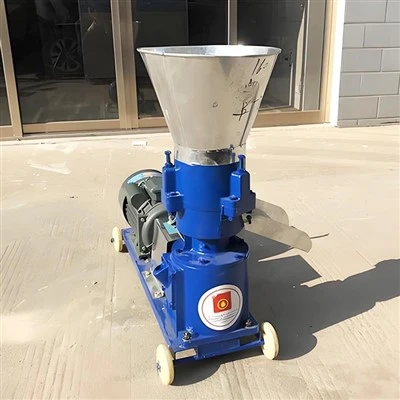
At the end of the day, choosing the right die isn’t rocket science, but it does require paying attention to the details that make a big difference in your operation’s bottom line. Too many suppliers sell dies as one-size-fits-all, but we know that every material, every mill, and every production goal is different. If you’re not sure which die is right for you, don’t guess or go for the cheapest option—reach out to a supplier who understands pellet mill components and has experience working with different operations. We can walk you through your specific needs, answer any questions you have, and help you pick a die that will boost your throughput, improve pellet quality, and cut your operating costs. If you’re looking to upgrade your die or switch to a better fit, contact us today to discuss your project. We’re here to help you make the right choice for your business.
Multifunction Chaff Cutter References
- Pellet Mill Die Design and Application Guide. American Feed Industry Association, 2021.
- Biomass Pellet Production: Die Selection and Performance Standards. International Energy Agency Bioenergy Task 43, 2022.
- Wear Characteristics of Pellet Mill Dies for Agricultural Materials. Journal of Agricultural Engineering Research, Vol. 118, No. 2, 2020, pp. 45-57.
- Power Requirements for Ring Die Pellet Mills: Impact of Die L/D Ratio and Material. Transactions of the ASABE, Vol. 64, No. 3, 2021, pp. 987-995.
Zhengzhou Xinyihaotong Machinery Manufacturing Co., Ltd.
As one of the most professional pellet mill machine manufacturers in China, we also support custom service. We warmly welcome you to buy high quality pellet mill machine for sale here from our factory. For price consultation, contact us.
Address: Rooms 2301–2312, Jiayi Building, Xinxiang City, Henan Province, China
E-mail: zhaoyixuan5566@gmail.com
WebSite: https://www.xyhtmachinery.com/
