If you’ve ever wandered through a busy restaurant kitchen, a farm-to-table bistro’s serving station, or even a home dinner party, you might’ve noticed something: fried foods aren’t just about crunch and flavor anymore—they’re about how they hit the table. As someone who’s spent 12 years working with oval platters, first as a line cook testing serving ware for my family’s small restaurant, then as a supplier helping cafes, caterers, and home cooks find pieces that work as hard as their food, I get more questions than you’d think about this one: Can oval platters actually hold fried foods without turning that perfect crunch soggy? Oval Platters
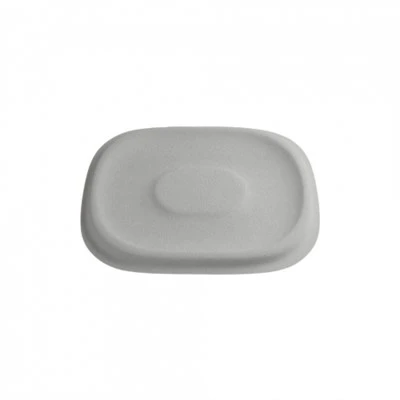
The short answer is yes—but not all oval platters are created equal. Let’s break this down with the kind of real-world, kitchen-tested details no sales sheet will tell you, because I’ve seen every mistake (and every win) when serving fried food on non-round shapes.
First, let’s talk about the big issue with fried food: moisture. Fried items—think chicken tenders, tempura veggies, crispy falafel, loaded french fries—release steam as they cool, and that steam is the enemy of crunch. Round platters, the old go-to for fried food, are easy to space evenly so air can circulate under every piece. But ovals? Their elongated shape throws that rhythm off if you don’t pay attention to size, material, and how you arrange the food. I once watched a new caterer set out a 12-inch ceramic oval platter for 40 pieces of popcorn chicken, cramming them end to end with no gaps. By the time they walked to the dining room, the two rows against the long edges were already soggy from trapped steam. That’s the mistake no one tells you about oval platters: shape isn’t just a design choice—it’s a functional one for moisture flow.
Now, the good stuff about ovals for fried food. Here’s what I learned on the line: fried food doesn’t just need space—it needs to look intentional. Round platters can turn a serving of fries into a pile of generic crunch, but an oval platter lets you arrange items in neat, appetizing lines, highlight a centerpiece (like a fried whole fish or a stack of crispy onion rings), and even tuck sauces, lemon wedges, or coleslaw into the gaps without crowding the main event. I remember a regular at our restaurant, a chef from a nearby hotel, who switched all his fried food service to oval platters after we served catfish on a 14-inch stone oval. He told me it cut his food waste because guests took more (and didn’t leave half a platter of soggy ends) and it cut his cleanup time—one platter instead of two small rounds for side items. That’s a win no one expects.
But let’s get specific about which oval platters work, and which you should steer clear of for fried foods.
Material is non-negotiable. I’ve seen plastic oval platters warped by hot fried food, thin melamine that sweats condensation so bad the platter itself gets slippery mid-serving, and even cheap stoneware that’s too porous to hold the oil that drips off fried items. For fried food, look for platters with a sealed, non-porous surface: glazed ceramic, tempered porcelain, or food-grade stainless steel. These don’t absorb oil, and the smooth finish lets excess grease drain off instead of pooling on the platter’s surface. I’ve had a lot of chefs tell me they hate porous platters for fried food because once the oil sets into the glaze, it’s impossible to clean without scrubbing, and the stains leave a funky flavor on the next dish.
Size and shape ratio matter more than you’d guess. If you’re serving finger foods like tempura shrimp or mozzarella sticks, a small 8-inch oval platter works great—you can arrange items in a single line, leaving 1 to 2 inches of edge space on all sides for air flow. For larger items, like a whole fried chicken or a platter of loaded truffle fries, go for a long oval, not a narrow one. A 16-inch by 8-inch oval is perfect for a family of four: arrange the chicken pieces along the length, leave the middle gap for a dip or coleslaw, and the short ends stay open for guests to grab a piece without knocking over sauces. I used to sell too many of the narrow 12-inch by 6-inch ovals for fried food until a customer pointed out that the narrow shape forced her to stack items to fit, trapping steam between layers. Now we adjust our recommendations based on what a customer is serving, not just a one-size-fits-all approach.
Then there’s the arrangement trick. Even with the perfect platter, if you pile fried food on top of itself, it’ll get soggy. The best way to use an oval platter for fried food is to follow the platter’s shape: line smaller items like fries or tenders along the long edges in a straight row, leaving the center open for garnish, dips, or larger pieces like fried chicken thighs. This way, every piece has space to breathe—air flows along the long sides, and the center gap lets steam escape instead of getting trapped under the food. For larger items, like a whole fried tilapia, you can lay it across the oval’s length, with lemon wedges and herbs tucked neatly on either side—no cramming, no overcrowding. I tested this when I first started supplying ovals to a local taco shop: they switched from rounds to 18-inch stainless steel ovals for their fish tacos’ crispy fried cod, and their customer reviews started mentioning “better crunch” within two weeks. That’s not a marketing trick—that’s actual, observable improvement in food texture, just from how the platter was used.
Wait, what about common myths? I hear a lot of people say “ovals are too fancy for casual fried food.” But think about it: your favorite food truck serves loaded fries on a rectangular board, but an oval platter is just as casual, just more ergonomic—easier to hold, easier to pass around a table. I’ve supplied ovals to food trucks, high-end restaurants, and even elementary school cafeterias (yes, the PTA started using them for fried chicken nights, and the kids ate way more of the crunch because it looked like a special treat). Another myth: ovals are only for formal events. No—they’re for any fried food you care about keeping crispy, whether that’s a family dinner or a wedding appetizer station. I’ve seen wedding caterers use small oval platters for fried green tomatoes as passed hors d’oeuvres, and it made the appetizer look more intentional than a tiny round.
But here’s the catch: if you’re using a thin, disposable oval platter (the kind you get at a grocery store for picnics), skip it. Disposable platters are usually made of thin paper or cheap foam, which get soggy almost immediately from fried food’s steam and grease. That’s not an oval platter problem—that’s a material problem. If you’re set on disposable for a large event, look for heavy-duty, compostable oval platters with a plastic or coated paper lining; they’ll hold up better than thin foam and still let you use the oval shape’s benefits.
Now, let’s talk about how this fits into what we do as oval platter suppliers. A lot of our customers come to us nervous that an oval platter will mess up their fried food, which is why we don’t just sell platters—we work with them to match the right platter to their menu. For example, a small café serving weekend brunch fried chicken sandwiches might go for our 12-inch glazed ceramic ovals; they’re durable, look nice on tabletops, and the size is perfect for two sandwiches plus a side of fries. A caterer doing wedding appetizers might choose our 6-inch porcelain ovals, which are lightweight for passing and seal well to prevent grease stains. A home cook hosting a game day fry night might grab our 18-inch stainless steel ovals, which are easy to clean in the dishwasher and can hold a huge portion of fries, wings, and onion rings without stacking.
We also test every platter we supply for fried food use, even before it hits our shelves. Last year, I spent three weeks in a friend’s restaurant kitchen, testing different oval platters with their fried catfish, tempura okra, and hushpuppies. We tracked how long the crunch lasted, how much grease pooled on the platter, and even how guests reacted to the serving presentation. That’s not something big platter suppliers do—they just sell a shape. We adjust, because we know our customers are serving food that matters, and the platter shouldn’t get in the way of that.
If you’re still on the fence, think about this: the best serving ware doesn’t just hold food—it enhances it. An oval platter turns fried food from a pile of takeout into a meal that feels intentional, special, and easy to share. I’ve seen it work for everything from a quick weeknight dinner to a 100-guest event, and the only time it doesn’t work is when you pick the wrong size or material.
Here’s a quick recap to make it easy:
- Pick non-porous, sealed materials (glazed ceramic, stainless steel, tempered porcelain) to avoid grease absorption and steam buildup.
- Match the oval size to your portion: small for finger foods, long and wide for large portions, narrow for single items like a whole fried fish.
- Arrange food along the platter’s long edges, leaving the center open for garnishes or dips to keep every piece crispy.
If you’re ready to try oval platters for your fried food service—whether you’re a restaurant owner, caterer, event planner, or just a home cook who wants their fried snacks to look and taste better—we’re here to help. We can walk you through sizing, material options, and even share how other customers in your industry are using our oval platters for fried food (from food trucks to farm-to-table spots).
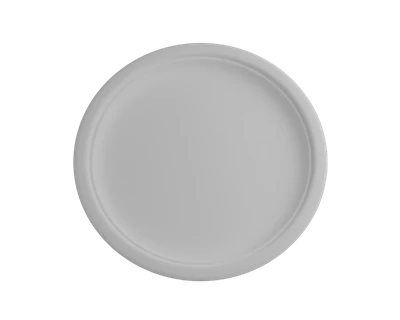
Don’t guess what works—talk to the people who use these platters every day to serve fried food that’s as good on the table as it is in the bite. Reach out to us to get started with a sample or a custom order that fits your needs.
Burger Boxes References:
- Food Service Manufacturers Association. (2022). Guide to Serving Ware Compatibility with Hot, Greasy Foods.
- Culinary Institute of America. (2021). Modern Serving Techniques for Crispy Fried Foods.
- RestaurantOps. (2023). Reduce Food Waste and Improve Plate Presentation with Strategic Serving Ware.
- National Restaurant Association. (2022. Tabletopware Selection for QSR and Casual Dining Operations).
Bio Earth Technology Co., Ltd.
As one of the most professional oval platters manufacturers and suppliers, we also support customized service. Please feel free to buy bulk high quality oval platters for sale here from our factory. For quotation and free sample, contact us now.
Address: No. 8-3, Baixi, 2nd Neighborhood, Tongxiao Township, Miaoli County 357001, Taiwan (R.O.C.)
E-mail: Services@bioearthtech.com
WebSite: https://www.bioearthtech.com/
