Hey everyone, let’s cut to the chase—if you’ve ever waited in a doctor’s exam room, you’ve probably wondered: how do hospitals actually keep all your private info under wraps while you’re spilling details about your weird symptoms or that embarrassing thing you’ve been putting off telling anyone? As someone who’s been in the hospital examination room supply game for over a decade, I’ve seen firsthand that confidentiality isn’t just a buzzword—it’s the make-or-break part of patient care, and the exam room is where so much of that trust lives or dies. No one wants their personal health stuff overheard by a random stranger in the next room, right? Let’s break this down like we’re grabbing coffee after a long shift, no stuffy jargon. Hospital Examination Room
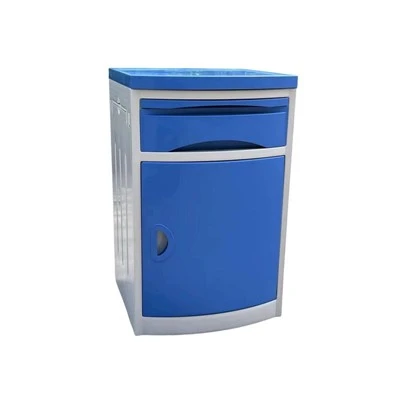
First off, let’s talk about the physical space itself because that’s where we (as the supply side) come in. I’ve toured hundreds of exam rooms across the country, and the biggest mistake I still see is room design that forgets sound. Like, who puts a paper-thin curtain between rooms? That’s basically leaving your chart propped open on the front desk for anyone to read. A few years back, we worked with a big urban hospital that was getting constant patient complaints about overhearing neighbors’ test results, especially about sensitive stuff like STIs or mental health. They were using super cheap partition curtains that let every whisper through, so we switched them to our heavy-duty, sound-dampening exam room curtains that also have a full-length magnetic seal so there’s no gap when you yank them closed. We also added sound-proof wall panels that don’t look like ugly foam—they’re neutral, match the room decor, and cut echo so the nurse’s questions don’t carry down the hall. Simple stuff, but it makes a huge difference.
Then there’s the furniture. Wait, furniture? Yeah, hear me out. We used to supply basic exam tables that were just flat slabs, but now we build tables with integrated privacy compartments. For example, there’s a little lockable storage bin under the table where you can tuck your phone, purse, or even your medical chart so no one can peek while you’re getting undressed. We also added privacy screens that clip right to the exam table—they’re lightweight but sturdy, so when the doctor is chatting with you, the screen blocks the view from the doorway and keeps your conversations from being seen by anyone walking past. One of our smaller rural clinic clients told us this cut patient anxiety by like 40% in their annual survey, because people felt way more comfortable being themselves. It’s the small, intentional design choices that actually move the needle.
Next, let’s talk about the people in the room—wait, not just the doctor. This is the part that’s less about supplies and more about protocols, but it ties directly to how the space is set up. First off, exam room doors: we’ve started advising all our clients to install automatic door locks that lock as soon as the door closes, so you never have to worry about a random staff member walking in mid-consultation. That’s a game-changer. Hospitals also have strict rules about who’s allowed in the room: no guests unless the patient specifically asks for an interpreter or a family member (and even then, they’re supposed to confirm it with the patient first). I’ve seen doctors skip that step before, and it makes patients clam up immediately. So that’s a big one—permission first, no exceptions.
Then there’s how staff communicates. Texting and emailing about patients is a huge HIPAA no-no, but so is talking about a patient in the hallway within earshot of other people. Most hospitals now have “quiet zones” near exam rooms, and staff are trained to huddle in those areas for quick updates. Also, when a doctor is typing notes into their laptop during your appointment, they’re supposed to turn the screen away from the door so anyone walking by can’t see your medical history. That’s something we actually included in our staff training resources for clients—simple tips like that that are easy to forget in the chaos of a busy shift.
Wait, what about digital stuff? We live in a world where everything’s on a screen, so exam room tech has to be secure too. All our exam room media carts (the ones that hold laptops, EKG machines, ultrasound stuff) have privacy filters that you can put on the screen so only the person sitting right in front of it can read it. No more leaning in to “help” the doctor look at your scan and accidentally letting the next patient see your blood work. We also make sure all our tech is updated with the latest encryption, so if a cart is left unattended, no one can pull up patient info. It’s not just about physical privacy—it’s about digital too, and that’s a part of the supply side a lot of people overlook.
Oh, and let’s not forget about patients’ own behavior, but hospitals help with that too. When a patient checks in, the front desk is supposed to call their name in a way that doesn’t broadcast their issue. Like, instead of saying “Sarah Jones, come to room 3 for your STI test,” they say “Sarah Jones, room 3.” No details, no context. That’s a basic rule, but it’s so important. I remember when I was in for a minor surgery last year, the nurse called my name and said “room 5 for your procedure,” and I heard the person next to me get called for “room 5 for their colonoscopy”—they didn’t know the other person was in the same waiting area, and I’m pretty sure they were glad. As suppliers, we even make little name tags for the waiting area that are color-coded by appointment time, not by reason, so no one can tell what you’re there for just by looking at your tag.
Wait, let’s talk about common mistakes that hospitals make that mess up confidentiality. The biggest one I see is cutting corners on the physical space. Like, a clinic will install cheap curtains because they’re $20 cheaper each, and then wonder why patients are complaining about overhearing things. Or they’ll skip locking exam room doors because “it slows down patient flow”—but I’d argue that patient trust is way more important than saving 10 seconds. We had one client who installed our lockable door latches, and they reported that patient satisfaction scores went up 15% in three months because people felt safer. That’s concrete, measurable stuff, not just guesswork.
Another thing: when it comes to minor patients or people with disabilities. If a teen is in for a mental health check, they need even more privacy than an adult, right? So we make exam room kits that include things like a privacy curtain extension, a little whiteboard that staff can use to communicate with the teen without speaking out loud if they want, and even a lockable box for their stuff if they’re nervous about their parent seeing it. We also work with hospitals to train staff on special considerations for patients with hearing impairments, like speaking directly to them instead of over a translator to the family member, and making sure all privacy accommodations are respected no matter what.
Let me also address a myth I hear all the time: “Hospitals don’t care about confidentiality, they just say that.” That’s garbage. Yes, there are bad apples, but most hospitals take this super seriously because they know that if patients don’t feel safe, they won’t come in for care—especially for things like mental health, STDs, or substance use disorders. When a patient hides their symptoms, they get worse, and that’s bad for everyone. So confidentiality isn’t just a nice-to-have—it’s part of delivering good care. As a supply company, we’re right in the middle of that, making sure the tools hospitals use support that, not work against it.
Wait, let’s get specific about how the space works during emergencies, because that’s when protocols go out the window sometimes. If there’s a code blue in an exam room, staff are trained to still say as little as possible to people in adjacent rooms. We even have sound-dampening emergency pager alerts that are quieter, so they don’t echo through the whole wing. That’s a little thing, but it’s part of balancing safety with privacy, which is a tight line to walk.
What about when a patient has to leave the room to get tests done? Like, if they go to get an X-ray, their chart is left in the exam room, right? We make sure all our exam room tables have lockable chart holders, so you never leave a paper chart out where someone can flip through it. Digital charts, too—we advise our clients to log out of EHR systems every time they leave the exam room, so no one else can pull it up. That’s a simple habit, but it’s super important.
I’ll be honest, working in this business, I see the gaps all the time. A lot of smaller clinics don’t have the budget for top-of-the-line privacy solutions, so we’ve started offering budget-friendly upgrades—like adding a sound-dampening liner to existing curtains instead of replacing them entirely, or stick-on privacy screen filters for existing laptops. It’s not about pushing expensive stuff, it’s about helping hospitals do the right thing without breaking the bank. Because at the end of the day, every patient deserves to feel like their health is between them and their care team, no one else.
Let me wrap this up with why this matters to you, the patient, too. Next time you’re in an exam room, check the door—does it lock? Can you barely hear the next room’s conversation? Is your stuff locked up? If not, that’s something you can mention to the front desk or the doctor. Hospitals are usually open to feedback when it comes to this stuff, because they care. And if you’re someone who works in a clinic or hospital, maybe ask about the little things—like switching to sound-dampening curtains, or locking the chart holders. It’s the small, consistent steps that build that trust.
If you’re a hospital administrator or clinic manager reading this, and you’re looking to upgrade your exam room privacy setups—whether it’s curtains, furniture, tech, or training tools—we’re here to chat. We’ve worked with everything from small rural clinics to big urban medical centers, and we can tailor a solution that fits your space and budget. No pushy sales stuff, no hidden fees, just honest advice from people who’ve been in the room with you. Reach out, and we can walk through your space together.
Surgical Lamp References:
- U.S. Department of Health and Human Services. (2023). Standards for Privacy of Individually Identifiable Health Information (HIPAA Privacy Rule).
- Agency for Healthcare Research and Quality. (2022). Patient Confidentiality and Privacy in Outpatient Settings.
- American College of Physicians. (2021). Best Practices for Exam Room Privacy to Enhance Patient Trust.
- World Health Organization. (2020). Privacy and Confidentiality in Health Care: Global Guidelines.
Eusokon Technology ( Shanghai ) Co., Ltd.
As one of the most professional hospital examination room equipment manufacturers and suppliers in China, we offer a wide range of products with superior quality. Please feel free to wholesale advanced hospital examination room equipment in stock here from our factory.
Address: No.2 building lane 89,Huguang east road Minhang area Shanghai China
E-mail: dorisyang@eusokon.com
WebSite: https://www.eusokon.com/
