Hey there! I’m a supplier in the dental equipment biz, and today I wanna chat about one of our cool products: the dental digital impression scanner. It’s a game – changer in the dental world, so let’s dig into how it works. Dental Equipment

The Basics of Dental Digital Impression Scanners
First off, what’s a dental digital impression scanner? Well, it’s a high – tech device that takes 3D images of a patient’s teeth and gums. Before these scanners came along, dentists used the old – fashioned way of making impressions with gooey materials. It was messy, uncomfortable for patients, and sometimes the impressions weren’t super accurate. But with digital scanners, things are way better.
Step 1: Preparing the Patient and the Scanner
When a patient comes in for a digital impression, the dentist first has a little chat with them. They explain what the scanner is and how the process will go. This helps the patient feel more relaxed.
Next, the dental assistant gets the scanner ready. They make sure the scanner is clean and calibrated properly. Calibration is super important because it ensures that the images the scanner takes are accurate. If the scanner isn’t calibrated right, the 3D model it creates might be off, which could cause problems later when making dental restorations like crowns or bridges.
Step 2: Scanning the Oral Cavity
Once everything is set up, it’s time to start the actual scanning. The dentist or dental hygienist will hold a small, handheld scanner and gently place it inside the patient’s mouth. The scanner uses different technologies to capture the images.
One common technology is optical scanning. This works by shining a special light onto the teeth and gums. The light reflects off the surfaces, and the scanner’s sensors pick up the reflected light. Based on how the light is reflected, the scanner can create a detailed map of the oral structures.
Another technology is laser scanning. Lasers are used to measure the distance between the scanner and different points on the teeth. This data is then used to build a 3D model. Laser scanners are really precise, but they can be a bit slower compared to optical scanners.
As the scanner moves around the mouth, it takes multiple images from different angles. The scanner has to cover the whole area of interest, whether it’s just one tooth, a few teeth, or the entire upper or lower jaw. The dentist has to be careful to get all the details, like the shape of the teeth, the spaces between them, and the contours of the gums.
Step 3: Image Processing
Once all the images are taken, they are sent to a computer. The computer has special software that processes the images. This software is like a magic tool that takes all those separate images and stitches them together to create a single, seamless 3D model of the patient’s teeth and gums.
The software also cleans up the images. It gets rid of any noise or artifacts that might have been picked up during the scanning process. For example, if the patient moved a little bit while the scanner was in their mouth, the software can correct for that and make the model look smooth and accurate.
Step 4: Reviewing and Editing the 3D Model
After the 3D model is created, the dentist or dental technician will review it on the computer screen. They check to make sure the model looks good and that all the important details are there. If there are any parts of the model that are unclear or missing, they can go back and rescan that area.
Sometimes, they also need to edit the model. For example, if there’s a build – up of plaque or debris on the teeth in the scan, the technician can use the software to clean it up on the model. This ensures that the final model represents the true shape and position of the teeth.
Step 5: Sharing and Using the 3D Model
Once the 3D model is perfect, it can be used in many ways. The dentist can use it to show the patient what their teeth look like and explain any treatment options. For example, if the patient needs a crown, the dentist can show them how the new crown will fit on their tooth based on the 3D model.
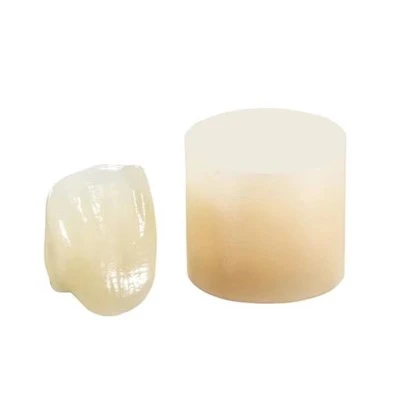
The model can also be shared with dental labs. The lab technicians can use the 3D model to create custom – made dental restorations. They can input the digital data into a CAD/CAM (Computer – Aided Design/Computer – Aided Manufacturing) machine, which will carve out the restoration, like a crown or a bridge, from a block of ceramic or other dental material. This process is much faster and more accurate than the traditional method of making restorations from physical impressions.
Benefits of Using Dental Digital Impression Scanners
The working process of dental digital impression scanners offers a bunch of benefits. For patients, it’s a lot more comfortable. No more having to bite down on that messy, gooey impression material for minutes on end. They can just sit back and have the scanner move around their mouth, which takes only a few minutes.
For dentists and dental labs, digital scanners save time. The whole process from scanning to getting a 3D model is much quicker than the old – fashioned impression method. And because the models are more accurate, the chances of having to remake a dental restoration due to a faulty impression are greatly reduced.
Conclusion
In conclusion, dental digital impression scanners are really amazing devices. Their working process is a combination of advanced technology and careful handling to give accurate 3D models of a patient’s oral cavity. These models are then used to improve the quality of dental treatments and make the whole process more comfortable for patients.
Custom Abutments If you’re in the dental industry and looking for a reliable dental digital impression scanner, we’re here to help. We offer high – quality scanners that are easy to use and provide accurate results. Whether you’re a small dental practice or a large dental lab, our scanners can meet your needs. Don’t hesitate to reach out to us for more information or to start a purchase negotiation. We’re always happy to chat and find the best solution for you.
References
- "Dental Digital Impression Technology: A Review." Journal of Dental Research.
- Textbooks on Dental Materials and Technology.
Yilink (Tianjin) Biotechnology Co., Ltd.
Yilink (Tianjin) Biotechnology Co., Ltd. is one of the most professional dental equipment manufacturers and suppliers in China, also supports customized service. Welcome to buy discount dental equipment in stock here and get pricelist from our factory. Quality products and low price are available.
Address: No. 9, Kaituo Road, Balitai Town, Jinnan District, Tianjin
E-mail: service@yilink-dental.com
WebSite: https://www.yilinkzirconia.com/
