What is the effect of frequency on MV Motor performance?
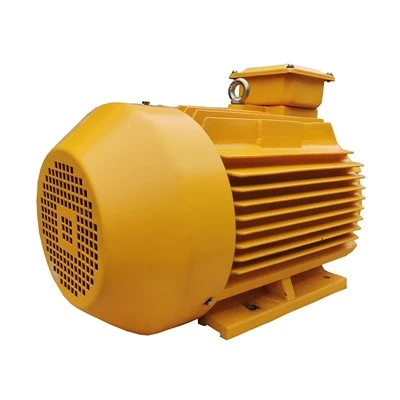
As a supplier of Medium Voltage (MV) motors, I’ve witnessed firsthand the pivotal role that frequency plays in the performance of these industrial workhorses. MV motors are the heart of many industrial processes, powering everything from large-scale manufacturing operations to water treatment plants. Understanding how frequency affects their performance is not just a technical curiosity; it’s a crucial aspect for businesses aiming to optimize efficiency, reduce costs, and ensure reliable operation. MV Motor
The Basics of Frequency in MV Motors
Before delving into its effects, let’s briefly touch on what frequency means in the context of MV motors. Frequency refers to the number of cycles of alternating current (AC) that occur per second, measured in Hertz (Hz). In most parts of the world, the standard power grid frequency is either 50 Hz or 60 Hz. This frequency is fundamental because it directly influences the speed of the motor’s rotation.
The synchronous speed of an MV motor is determined by the formula:
[ N_s = \frac{120f}{P} ]
Where:
- ( N_s ) is the synchronous speed in revolutions per minute (RPM)
- ( f ) is the frequency in Hz
- ( P ) is the number of poles in the motor
This formula shows that the speed of the motor is directly proportional to the frequency. As the frequency increases, so does the synchronous speed, and vice versa.
Impact on Motor Speed and Torque
One of the most obvious effects of frequency on MV motor performance is its impact on speed. A change in frequency will cause a corresponding change in the motor’s speed. For example, if a motor is designed to operate at 1800 RPM with a 60 Hz supply and the frequency is reduced to 50 Hz, the motor’s speed will decrease to approximately 1500 RPM, assuming all other factors remain constant.
This change in speed can have significant implications for the machinery driven by the motor. In some applications, a precise speed is critical for maintaining product quality and production efficiency. For instance, in a manufacturing process where the motor drives a conveyor belt, a decrease in speed could lead to a slowdown in the production line, potentially reducing output.
Torque, on the other hand, is also affected by frequency. In general, the torque output of an MV motor is proportional to the square of the voltage and inversely proportional to the frequency. As the frequency decreases, the torque capability of the motor increases, assuming the voltage remains constant. This can be beneficial in applications where high starting torque is required, such as in crushers or mixers. However, operating the motor at a lower frequency for an extended period can cause overheating due to increased current draw, which can lead to insulation damage and reduced motor lifespan.
Efficiency and Power Factor
Frequency also has a profound effect on the efficiency and power factor of MV motors. Efficiency refers to the ratio of the motor’s output power to its input power, while the power factor is a measure of how effectively the motor uses the electrical power supplied to it.
When the frequency deviates from the motor’s rated frequency, the efficiency of the motor can decrease. This is because the motor’s magnetic circuit is designed to operate optimally at a specific frequency. A change in frequency can cause increased core losses, such as hysteresis and eddy current losses, which reduce the motor’s efficiency and increase energy consumption.
The power factor of an MV motor is also affected by frequency. A lower frequency can result in a lower power factor, which means the motor draws more reactive power from the grid. This not only increases energy costs but can also lead to penalties from the utility company in some cases. Therefore, maintaining the correct frequency is essential for maximizing the efficiency and power factor of MV motors.
Thermal Performance and Insulation Life
Another critical aspect of MV motor performance affected by frequency is its thermal performance. As mentioned earlier, operating the motor at a frequency different from its rated value can cause increased current draw, which in turn generates more heat. Excessive heat can damage the motor’s insulation, reducing its lifespan and increasing the risk of motor failure.
The insulation system of an MV motor is designed to withstand a certain temperature range. When the motor operates at a higher temperature due to frequency variations, the insulation can degrade more rapidly, leading to premature failures. This can result in costly downtime and repair expenses for the end-user.
To mitigate the thermal effects of frequency variations, it’s important to monitor the motor’s temperature and ensure that it operates within the recommended temperature limits. Some modern MV motors are equipped with temperature sensors and protection devices that can automatically shut down the motor if the temperature exceeds a safe level.
Considerations for Variable Frequency Drives (VFDs)
Variable Frequency Drives (VFDs) are commonly used to control the speed of MV motors by varying the frequency and voltage supplied to the motor. While VFDs offer many benefits, such as energy savings and improved process control, they also introduce some challenges related to frequency.
One of the main issues with VFDs is the generation of harmonics. Harmonics are unwanted frequencies that can distort the electrical waveform and cause problems such as increased heating, reduced efficiency, and interference with other electrical equipment. To minimize the impact of harmonics, it’s important to select a VFD with proper harmonic filtering capabilities and to design the electrical system to handle the harmonic currents.
Another consideration when using VFDs is the motor’s compatibility with the drive. Not all MV motors are suitable for use with VFDs, and some modifications may be required to ensure reliable operation. For example, the motor’s insulation system may need to be upgraded to withstand the higher voltage spikes generated by the VFD.
Conclusion and Call to Action
In conclusion, frequency has a significant impact on the performance of MV motors, affecting their speed, torque, efficiency, power factor, thermal performance, and insulation life. As a supplier of MV motors, we understand the importance of providing our customers with high-quality motors that are designed to operate optimally at the specified frequency.
We also offer a range of services to help our customers optimize the performance of their MV motors, including motor selection, installation, commissioning, and maintenance. Our team of experienced engineers can provide customized solutions to meet the specific needs of your application, ensuring that you get the most out of your investment.
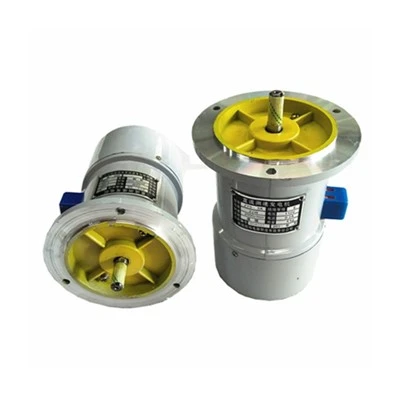
DC Motor If you’re looking for a reliable supplier of MV motors or need assistance with optimizing the performance of your existing motors, we’d love to hear from you. Contact us today to discuss your requirements and let us help you find the best solution for your business.
References
- Chapman, S. J. (2012). Electric Machinery Fundamentals. McGraw-Hill Education.
- Fitzgerald, A. E., Kingsley, C., & Umans, S. D. (2003). Electric Machinery. McGraw-Hill.
- Krishnan, R. (2001). Electric Motor Drives: Modeling, Analysis, and Control. Prentice Hall.
Xian Putai Electric Motor Equipment Co., Ltd.
Xian Putai Electric Motor Equipment Co., Ltd. is one of the most professional mv motor manufacturers and suppliers in China, also supports customized service with low price. Welcome to buy advanced mv motor in stock here from our factory. If you have any enquiry about quotation, please feel free to email us.
Address: Haibo Guangchang Fengcheng Nine Road Economical & Technological Development District Xi’an City Shaanxi Province – China
E-mail: sales@putaimotor.com
WebSite: https://www.putaimotor.com/
