Alright folks, as someone who runs an overhead line tower supply business, I often get asked about the impact of these structures on the growth of nearby plants. It’s a fair question, I mean, we’re putting up these big metal things in nature, so it’s natural to wonder how it affects the green stuff around them. Overhead Line Tower

Let’s start with the basics. Overhead line towers are those tall structures you see along roads, in fields, and sometimes even in the middle of the woods, holding up the power lines that bring electricity to our homes and businesses. They’re a necessary part of our modern infrastructure, but they do have an impact on the environment, including the plants growing in their vicinity.
One of the most obvious impacts is the physical space that the towers take up. When we install a tower, we have to clear a certain area of land to make room for it. This means removing any existing plants in that area. Depending on the size of the tower and the installation requirements, this could be a relatively small patch of land or a larger area. For small plants like grasses and wildflowers, this can be a significant disruption. They lose their habitat, and if they’re not able to spread their seeds quickly enough to nearby areas, they might disappear from that location altogether.
But it’s not just about the space directly under the tower. The construction process itself can also have an impact. Heavy machinery is used to dig foundations and erect the towers. This machinery can compact the soil, making it harder for plant roots to penetrate and grow. Compacted soil also has poor drainage, which can lead to waterlogging in some areas. Waterlogged soil is not good news for most plants because it reduces the amount of oxygen available to the roots. Without enough oxygen, plants can’t carry out essential functions like respiration, and they may start to wilt and die.
Another factor to consider is the electromagnetic fields (EMFs) generated by the power lines. Power lines carry electrical current, and this current creates an electromagnetic field around them. There’s been a lot of research on the effects of EMFs on living organisms, including plants. Some studies suggest that low – level EMFs can have both positive and negative effects on plant growth.
On the positive side, some research has shown that certain plants may respond to EMFs by increasing their growth rate. It’s thought that the EMFs can stimulate the movement of ions within the plant cells, which can enhance metabolic processes. For example, some plants might produce more chlorophyll, the pigment that allows them to carry out photosynthesis. This could lead to increased growth and a healthier plant overall.
However, other studies have found negative effects. High – intensity EMFs can disrupt the normal physiological processes of plants. They can interfere with the plant’s ability to absorb nutrients from the soil, and they can also damage the DNA in plant cells. This can lead to stunted growth, reduced seed production, and even death in some cases. The key here is the intensity of the EMFs. The closer a plant is to the power lines, the stronger the EMFs it’s exposed to.
Shading is also an important aspect. Overhead line towers are tall, and they cast shadows. Depending on the time of day and the season, these shadows can cover a significant area around the tower. Plants need sunlight to carry out photosynthesis, which is how they produce food for themselves. If a plant is constantly in the shade of a tower, it may not get enough sunlight to grow properly. This can lead to weak, spindly plants that are more susceptible to diseases and pests.
But it’s not all doom and gloom. There are ways to mitigate the impact of overhead line towers on nearby plants. For example, during the planning stage, we can try to choose tower locations that minimize the disruption to existing plant communities. We can also take steps to restore the soil after construction. This could involve adding organic matter to the soil to improve its structure and drainage.
In some cases, we can even plant native plants around the towers. Native plants are adapted to the local environment, and they’re more likely to be able to tolerate the conditions created by the towers. They can also provide habitat for local wildlife, which helps to maintain the biodiversity of the area.
As an overhead line tower supplier, we take these environmental concerns seriously. We work closely with environmental experts to ensure that our towers are installed in the most environmentally friendly way possible. We’re also constantly looking for new technologies and techniques to reduce the impact on the environment.
If you’re in the market for overhead line towers, whether it’s for a small – scale project or a large – scale power grid expansion, we’re here to help. We understand that you might have concerns about the environmental impact, and we’re more than happy to discuss how we can minimize those impacts. We offer a wide range of tower designs and sizes to meet your specific needs, and we’ll work with you every step of the way to ensure a successful installation.
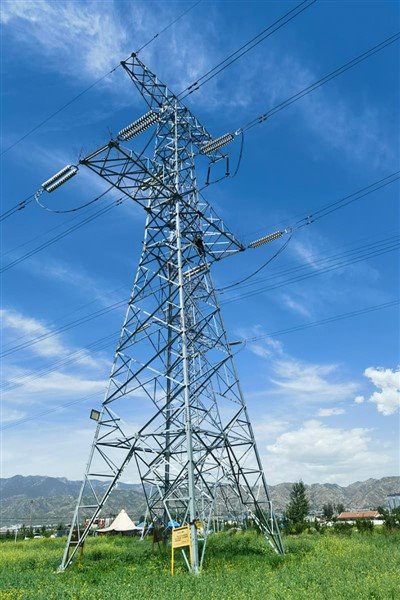
So, if you’re interested in learning more about our overhead line towers, or if you want to discuss your project and the environmental considerations, don’t hesitate to get in touch. Let’s work together to build a modern infrastructure that’s both functional and environmentally responsible.
Communication Towers References
- Smith, J. (2018). The Effects of Electromagnetic Fields on Plant Growth. Journal of Environmental Biology.
- Johnson, A. (2019). Soil Compaction and Its Impact on Plant Health. Agricultural Science Review.
- Brown, C. (2020). Shading Effects of Man – Made Structures on Plant Communities. Ecological Research.
Hebei Yifeng Steel Structure Co., Ltd.
As one of the most professional overhead line tower manufacturers and suppliers in China, we offer a wide range of products with superior quality. Please feel free to buy cost-efficient overhead line tower for sale here from our factory. Contact us for more details.
Address: Guangchuan Town Industrial Zone, Jing County, Hengshui City, Hebei Province
E-mail: hbyfgjg@163.com
WebSite: https://www.yf-powertowers.com/
