If you’ve worked with fasteners for any length of time, you know combination plate nuts are unsung heroes of industrial assembly, construction, and automotive repair. These little, multi-functional fasteners—made with a threaded base, a serrated or non-serrated plate, and sometimes a locking feature—stay in place during installation, distribute load evenly across surfaces, and cut down on assembly time. As someone who’s been a combination plate nut supplier for 12 years, I’ve lost count of how many times I’ve helped clients troubleshoot storage mistakes that turn perfectly good nuts into unusable scrap or, even worse, a headache on the assembly line. Combination Plate Nut
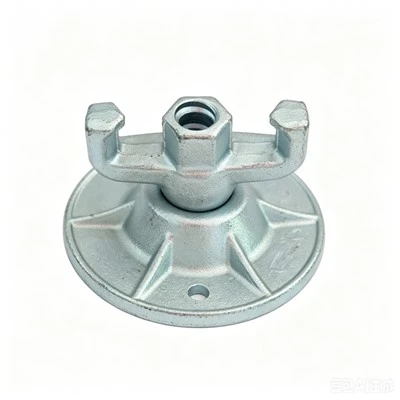
Most people assume storage for plate nuts is just “put them somewhere dry.” If only it were that simple. Over the years, I’ve seen clients pile new nuts on workshop floors in plastic bins that get rained on, leave pallets of stock in sun-baked warehouses, and mix different grades of nuts together, leading to cross-contamination that ruins entire shipments. The truth is, combination plate nuts are made from different materials, have specific surface finishes, and serve different applications—so their storage needs aren’t one-size-fits-all. Skip the right approach, and you’ll end up with nuts that seize mid-assembly, rust before you even open the box, or fail to grip surfaces because their serrations got damaged in transit.
Let’s break this down by material first, because that’s the biggest factor. Most combination plate nuts I supply are made from carbon steel, stainless steel, or zinc-plated steel, and each needs a different care routine. Carbon steel nuts are the most common—they’re strong, affordable, and used for everything from furniture assembly to heavy equipment. But pure carbon steel rusts super easily if it’s exposed to moisture, even in small amounts. Last year, a construction client in Ohio called me in a panic: they’d stored 50,000 M10 carbon steel plate nuts on a concrete slab in an unheated shed over a brutal winter. By the time they went to use them, half were covered in surface rust, which made it impossible to thread bolts through without seizing. We ended up having to replace the entire batch at no extra cost, and that was a lesson I passed on to every new client after that. For carbon steel plate nuts, the non-negotiable is keeping them completely free of humidity and condensation.
Stainless steel combination plate nuts are the other big category—usually 304 or 316 grade, used for marine applications, food processing equipment, or outdoor projects where corrosion is a constant threat. A lot of people think stainless steel is indestructible, but that’s not true. 304 stainless can suffer from “red rust” if it’s exposed to chlorine or salt for long periods, and if it’s stored near carbon steel nuts, the galvanic reaction between the two metals can cause pitting on the stainless surface. I had a food manufacturing client learn this the hard way two years ago: they stored a pallet of 316 stainless plate nuts right next to a pallet of carbon steel ones in their warehouse. By the end of the year, the stainless nuts had small, unseen pits that made them fail a quality inspection, and they couldn’t use them for their new processing line. So even stainless steel needs careful storage—they just have different requirements than carbon steel.
Then there’s the little details that many suppliers and clients miss, like surface finishes. Zinc-plated nuts are the workhorse of the group—we supply them with either yellow zinc or clear zinc, which are great for resisting rust. But zinc plating can chip or peel if nuts are stacked too high or dragged roughly, and once that plating is damaged, the steel underneath is exposed and will rust. We had a client who stacked 12 pallets of zinc plate nuts three high in their warehouse; the bottom layer’s nuts were crushed in places, and the plating flaked off. By the time they noticed, the damaged nuts had rusted, and the rest of the stack was so compressed that the plate edges bent, making the nuts impossible to use. Even small damage to the plate or thread of a combination plate nut can throw off its grip—those serrations on the plate are designed to bite into wood, metal, or plastic, so if they’re bent or dull, the nut won’t stay in place during installation.
Now, let’s get into the practical, step-by-step storage routine that I’ve refined over 12 years, and that we share with every client when we ship their first order. First, separate your nuts by material, grade, and size. Don’t mix M6 and M10 nuts, don’t mix carbon steel and stainless, and don’t mix zinc-plated with plain steel. I’ve even had clients dump all their plate nuts into a single bin, then spend hours sorting through them when they need a specific size—wasting time that adds up to thousands of dollars a month. We always label each container clearly, with the size, material, grade, and order date, so clients can grab exactly what they need without sorting.
Next, choose the right storage location. For any combination plate nut, avoid direct sunlight and extreme temperature swings. Sunlight can break down zinc plating over time, making it more prone to rust, and extreme heat can warp small steel parts. Cold temperatures aren’t as bad, but paired with humidity (like a damp basement), they can cause condensation on metal nuts. The ideal storage space is a temperature-controlled indoor area, between 10°C and 25°C (50°F to 77°F), with humidity levels under 50%. If you don’t have a climate-controlled space, use desiccants—those little silica gel packs you get in shoe boxes or electronics packaging—to absorb moisture. We add one desiccant pack for every cubic foot of storage space when we ship large orders, and we tell clients to replace them every three months if the space is humid.
Then, choose the right containers and stacking method. Never store combination plate nuts directly on concrete, because concrete has residual moisture and salts that can leach into metal over time. Use plastic pallets or wooden pallets that have been treated to resist moisture. For small orders (under 1,000 nuts), use sealed plastic bins with tight lids—avoid open bins, even if they’re in a dry space. For larger pallets of stock, wrap the entire pallet in a breathable, water-resistant plastic wrap, not airtight plastic—airtight wrap traps moisture, which causes rust faster. When stacking pallets, limit stacks to no more than four pallets high. The weight of too many pallets crushes the bottom ones, damages plate edges, and can even bend threads on smaller nuts.
There are also a few common mistakes that I see all the time, which are easy to avoid. First, don’t use oil or anti-rust sprays on combination plate nuts unless they’re going to be stored for more than 12 months. Oil can get on surfaces, make them harder to grip, and leave residue that can damage finishes during installation. Second, never store nuts near solvents, acids, or other chemicals—fumes from these can etch metal surfaces and cause corrosion, even if the nuts are in a closed container. Third, do a monthly check of your stock. Pull a small sample from each container, look for surface rust, bent plates, or damaged threads, and rotate your stock so you use older nuts first. This is called FIFO (first in, first out), and it’s a practice we’ve used in our own warehouse for years to keep our stock fresh and usable.
I also work with a lot of clients who use combination plate nuts for specialty projects—like custom cabinetry, marine rigging, or aerospace components—and their storage needs are even more specific. For aerospace-grade stainless steel combination plate nuts, we supply them with a protective wax coating, and we tell clients to store them in a nitrogen-purged container if they’re not going to use them within six months. For marine-grade 316 stainless plate nuts, we tell clients to avoid storing them near any carbon steel hardware, even if they’re in separate containers—galvanic corrosion is real, and it can eat through stainless steel in as little as a year if they’re close enough to each other.
Last year, I had a client who builds custom sailboats reach out to me because they’d been having trouble with plate nuts failing mid-sail. They’d been storing their 316 stainless nuts in a dockside storage locker, next to a stack of carbon steel bolts for other parts of the boat. The salt air and proximity to carbon steel had caused pitting on the plate nuts, which made them lose their grip on the deck. We replaced all their stock, and I helped them set up a separate, climate-controlled storage area for their specialty fasteners. A few months later, they emailed me saying the problem was gone, and their assembly time had gone up because they weren’t wasting time inspecting bad nuts. That’s the kind of story that makes all the years of refining our storage advice worth it.

At the end of the day, combination plate nuts are small, but they’re critical to every project that uses them. Poor storage doesn’t just ruin a batch of nuts—it can delay construction, cause product failures, and cost businesses thousands of dollars in rework. As a supplier, my job isn’t just to ship quality plate nuts; it’s to help my clients keep those nuts in usable condition from my warehouse to their assembly line. If you have combination plate nuts in storage, or if you’re ordering a new batch and want advice on setting up your storage space, don’t hesitate to reach out to connect for a purchasing discussion. We’re always here to help, whether you need tips for small workshop storage or large-scale warehouse solutions.
Cuplock Scaffolding References
- Fastener Storage Best Practices, Industrial Fasteners Institute, 2021
- Corrosion Prevention for Metal Components, NACE International, 2020
- Galvanic Corrosion in Fastener Assemblies, Society of Automotive Engineers, 2019
- Material-Specific Storage Guidelines for Industrial Hardware, American Society of Mechanical Engineers, 2022
Rizhao Wellfit Scafform Co., Ltd.
Address: No. 7, Huasheng Road, Taoluo Town Industrial Zoon, Donggang District, Rizhao City
E-mail: sales@wfscafform.com
WebSite: https://www.wfscafform.com/
