Hey everyone, thanks for swinging by my little corner of the internet—for those who don’t know me, I’ve been running a small, dedicated coal mining tools supply side for almost a decade now. A question I get all the time from folks who run tiny, local coal mines (you know, the ones that aren’t big corporate operations with fleets of heavy equipment) is: “Are there actually coal mining tools made for small-scale mines?” Spoiler: Yeah, there are—you just have to cut through all the generic big-mine junk that gets pushed to everyone, and that’s exactly what I’m here to break down today. Coal Mining Tools
First off, let’s get one thing straight—small-scale coal mines aren’t just “tiny versions” of big mines. Big ops can drop hundreds of thousands on continuous miners, haulage systems that run 24/7, and teams of engineers to maintain every single piece. Most small mine operators I work with run places that are 10 to 50 people max, work variable shifts, don’t have a huge maintenance crew, and operate on tighter budgets. They don’t need, and can’t afford, massive, complicated gear that’s built for 1,000+ ton-per-hour loads. So the tools that work for them have to hit three key notes: easy to use, low cost, and tough enough to hold up in the harsh, dusty, slippery conditions underground.
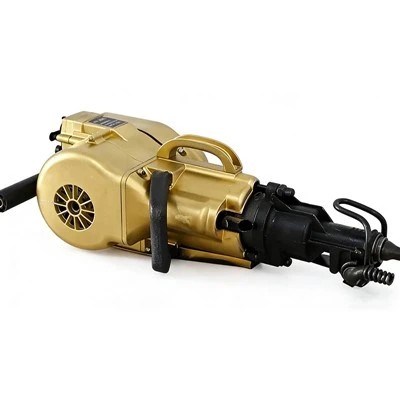
Let’s start with the bread and butter of small-scale coal mining: manual and semi-mechanized cutting tools. A lot of people think manual cutting is backbreaking work, but there are modern tools that’ve come a long way from the old pickaxes. For example, the pneumatic coal drill—wait, no, not the giant ones big mines use. I’m talking about the lightweight, handheld pneumatic rotary drills. They weigh like 12 to 18 pounds, so one person can carry them 500 feet into a seam, no problem. They run on compressed air, so you don’t have to worry about electricity causing sparks (huge safety win in coal mines—methane gas is no joke here). And they’re adjustable: you can swap out bits for different hole sizes, which is perfect because small mines often have narrower, more irregular seams than big, uniform corporate mines. I’ve had clients tell me these drills cut their prep time for blasting by half compared to old hand tools, and since they don’t need heavy rigs to mount them, they can move them between tunnel sections in 10 minutes flat.
Then there’s the semi-mechanized cutting tool that’s a game-changer for small-scale ops: the shearer plow, but the compact kind. Wait, most shearers are these massive machines with drums that spin and chew through coal, but the small-scale shearer plow is a narrow, guided tool that runs along a steel cable strung between two points in the tunnel. It’s only 3 feet wide, so it fits in tight seams that big shearers can’t even get into. It runs on a small electric motor (low-voltage, so again, no big spark risk) and cuts through coal at a steady, controlled rate. The best part? It doesn’t require a whole crew to operate—one person can run it from a control panel at the tunnel entrance, and maintenance is super simple because most parts are off-the-shelf, not custom big-mine parts. I sold one last year to a mine in West Virginia that’s only 28 people, and they said it cut their daily production by 30% without adding extra staff or blowing their budget on new gear.
Next up, you can’t mine coal without getting it out of the ground, and small-scale ops don’t need those huge belt conveyors that stretch for miles. They need compact, portable haulage tools. The first one I swear by is the rubber-tracked coal cart. These aren’t the giant steel rail cars big mines use—they’re small, 1 to 2 ton capacity, with rubber tracks so they don’t slip on wet, muddy tunnel floors, and they can navigate tight corners and uneven ground without needing rails. You can hook them up to a small, gas-powered or electric tug (again, low-power, low-maintenance) and move them between the face and the main haulage point in minutes. No need for a whole rail system to be laid first, which saves a ton of time and money. I’ve also got clients who use these carts for other jobs too, like moving tools or supplies, so they’re not just one-trick ponies.
Another haulage tool that’s perfect for small mines is the aerial cable hoist, but the mini version. Big mines use massive hoists to lift tons of coal out of deep shafts, but small-scale mines are often shallower, with smaller shafts. The mini aerial hoist can lift up to 1,500 pounds, and you can mount it to a portable steel frame so you can set it up in a day, no concrete or permanent installation needed. It’s way cheaper than a big hoist, and it’s easy to take down and move if the mine face shifts or you need to reposition it for a new seam. A lot of small mine operators love this because it works for both coal and moving equipment, so they don’t have to buy separate gear for each job.
Now, safety gear—wait, safety is non-negotiable, and small-scale mines often get overlooked here because people think “small mine = less risk.” No way. The right safety tools for small-scale coal mines have to be lightweight, easy to use, and not a burden on the operator. Let’s start with methane gas detectors. The old ones were clunky, heavy, and only gave a basic reading. Now there are portable, battery-powered digital detectors that fit in your pocket, give real-time readings, and have alarms that go off if levels get too high. They’re way more accurate than the old analog ones, and they run on disposable batteries that last for months, so you don’t have to worry about charging them in the middle of a shift. I also sell these mini self-rescue devices. Wait, self-rescue devices are the things that let you breathe if there’s a gas leak or fire underground. The big ones are bulky and heavy, but the small-scale version is slim, weighs less than 2 pounds, fits on your belt, and lasts up to 45 minutes—plenty of time to get to safety in a small mine. That’s the kind of tool that can save a life, right?
Here’s the thing I always tell new clients: don’t let anyone push you into big-mine tools that are overkill for your operation. I’ve seen so many small mine owners waste thousands on gear they can’t use, because a big supplier told them “this is the best coal mining tool on the market.” No, it’s the best for big mines. For your mine, you need tools that are designed for your size, your budget, and your specific conditions.
Wait, let’s talk about maintenance too—because that’s a big one for small-scale ops. Most small mines don’t have a dedicated maintenance crew, so the tools have to be easy to fix when something goes wrong. The tools I supply are designed with modular parts, so if a drill bit breaks or a belt on a cart slips, you don’t have to wait a week for a custom part to be shipped. You can replace it at the mine with basic tools, no engineering degree needed. I even offer free 20-minute video tutorials for every tool I sell, so the operators know exactly how to use and fix them. That’s the kind of support small mines need, not just a box of tools and a bill.
I also want to mention that these tools aren’t just for mines in the US. I’ve shipped them to small coal mines in Colombia, South Africa, and India, where big corporate gear is either too expensive or not suited for the narrow, hilly seams they work. Operators everywhere are realizing that small-scale doesn’t mean low-performance—it means tailored performance, and that’s what these tools deliver.
Now, I know some folks might be thinking, “Wait, but what about productivity? Small-scale tools can’t keep up with big ones.” That’s a myth, honestly. The shearer plow I mentioned earlier—clients say it’s almost as productive as a small big-mine shearer, but costs a fraction of the price. The handheld drills? While they’re not as fast as giant rotary drills, they’re more flexible because you can use them in areas where a big drill can’t fit, so you can get more coal out of every section of the tunnel. And with the right haulage tools, you don’t lose time moving coal, so overall productivity goes up without the big cost.
I’ve been in this game long enough to know that small-scale coal mines are the backbone of a lot of local economies. They provide jobs in rural areas, they supply coal to small power plants and local industries, and they do it with a personal touch that big mines can’t match. So supporting their needs isn’t just good for business—it’s good for the communities that rely on them.
If you’re a small-scale mine operator (or someone who works with them) and you’re tired of dealing with generic tools that don’t fit your operation, hit me up. I can walk you through exactly which tools work for your seam size, your budget, and your crew size. No sales pitches, no hidden fees, just straight talk about what will actually help you run your mine better.
Before I wrap this up, let’s make sure we covered the key points clearly: yes, there are definitely coal mining tools built specifically for small-scale mines—they’re lightweight, low-cost, easy to maintain, and designed to fit the tight, variable conditions of small ops. You don’t have to go big to get good, reliable gear that gets the job done safely and efficiently.

Now, if you’re ready to chat about your needs, just reach out—let’s figure out the right tools for your mine.
DTH Bit References
- International Labour Organization. (2021). Small-Scale Coal Mining Safety and Tooling Guidelines. Geneva, Switzerland: ILO Publishing.
- U.S. Energy Information Administration. (2022). Small-Scale Coal Production and Operational Trends. Washington, D.C.: EIA.
- Mining Magazine. (2023). Compact Mechanized Tools for Artisanal and Small-Scale Mining. London, UK: Springer Nature.
- South African Coal Mining Association. (2022). Best Practices for Small-Scale Mine Equipment Selection. Johannesburg, South Africa: SACMA.
- International Council on Mining and Metals. (2021). Tailored Solutions for Artisanal and Small-Scale Mining Operations. London, UK: ICMM.
Super Rock Machinery Equipment (Qingdao) Co., Ltd.
We are one of the most professional coal mining tools manufacturers and suppliers in China, featured by quality products and good price. Please feel free to buy advanced coal mining tools for sale here from our factory. Welcome to view our website for more information.
Address: No. 45, Pengwan Road, Qianwan Bonded Port Area, Qingdao Sub-district, Free Trade Pilot Zone, Shandong China
E-mail: sales@superrocktools.com
WebSite: https://www.superrocktools.com/
