Felt wheels are versatile tools used in a variety of industries, from jewelry making to metalworking, for tasks such as polishing, buffing, and finishing. As a supplier of felt wheels, I often get asked about the materials that go into making these essential tools. In this blog post, I’ll delve into the different materials used to manufacture felt wheels, their properties, and how they contribute to the overall performance of the wheels. Felt Wheel

Natural Felt Materials
- Wool: Wool is one of the most commonly used materials for making felt wheels. It is a natural fiber derived from the fleece of sheep or other animals such as goats (cashmere and mohair), alpacas, and llamas. Wool fibers have several properties that make them ideal for felt production. Firstly, wool fibers are crimped, which means they have a natural wave-like structure. This crimp allows the fibers to interlock easily when subjected to heat, moisture, and pressure, a process known as felting. The interlocking of the fibers creates a dense, durable material that can withstand the rigors of polishing and buffing operations.
- Silk: Silk is another natural material that can be used to make felt wheels, although it is less common than wool. Silk fibers are extremely fine and smooth, which gives silk felt wheels a very soft and delicate texture. This makes them ideal for use on sensitive surfaces that require a high level of precision and a gentle touch, such as precious metals, gemstones, and delicate glassware. Silk felt wheels are often used in the jewelry industry for final polishing and finishing operations to achieve a mirror-like shine without scratching or damaging the surface of the workpiece.
Synthetic Felt Materials
- Polyester: Polyester is a synthetic polymer that is widely used in the manufacturing of felt wheels. It is a strong, durable, and abrasion-resistant material that can withstand high temperatures and heavy use. Polyester felt wheels are known for their consistent performance and long lifespan, making them a popular choice for industrial applications. One of the key advantages of polyester felt wheels is their resistance to chemicals and solvents, which makes them suitable for use in a variety of environments, including those where exposure to harsh chemicals is common.
- Nylon: Nylon is another synthetic material commonly used in the production of felt wheels. It is a tough, flexible, and heat-resistant material that offers excellent abrasion resistance and durability. Nylon felt wheels are often used in applications where a high level of cutting and material removal is required, such as deburring, edge rounding, and surface preparation. Nylon fibers can be blended with other materials, such as wool or polyester, to create felt wheels with specific properties and performance characteristics.
Blended Felt Materials
- Wool-Polyester Blends: Wool-polyester blends combine the natural properties of wool with the strength and durability of polyester. These blends offer a good balance of softness, flexibility, and abrasion resistance, making them suitable for a wide range of polishing and buffing applications. Wool-polyester felt wheels are often used in the automotive, aerospace, and metalworking industries for tasks such as polishing chrome, aluminum, and stainless steel surfaces.
- Silk-Polyester Blends: Silk-polyester blends combine the smoothness and delicacy of silk with the strength and durability of polyester. These blends are ideal for applications where a high level of precision and a gentle touch are required, such as polishing jewelry, watches, and other small, delicate items. Silk-polyester felt wheels can provide a high-quality finish without scratching or damaging the surface of the workpiece.
Other Materials Used in Felt Wheel Construction
- Binders: In addition to the primary felt materials, binders are often used in the manufacturing of felt wheels to hold the fibers together and improve the overall strength and durability of the wheel. Binders can be natural or synthetic, and they are typically applied during the felting process. Common binders include latex, epoxy, and phenolic resins. The choice of binder depends on the specific application and the desired properties of the felt wheel.
- Abrasives: Abrasive materials can be incorporated into felt wheels to enhance their cutting and polishing capabilities. Abrasives such as aluminum oxide, silicon carbide, and diamond are commonly used in the manufacturing of abrasive felt wheels. These wheels are used for applications where a high level of material removal or surface finishing is required, such as grinding, sanding, and honing. The type and grit size of the abrasive used will depend on the specific application and the material being worked on.
Factors Affecting Material Selection
- Application Requirements: The specific application for which the felt wheel will be used is one of the most important factors in determining the appropriate material. For example, if the wheel will be used for polishing soft metals such as gold or silver, a soft, natural felt material like wool or silk may be the best choice. On the other hand, if the wheel will be used for heavy-duty grinding or deburring operations on hard metals such as steel or titanium, a synthetic felt material with a high level of abrasion resistance, such as polyester or nylon, may be more suitable.
- Surface Finish: The desired surface finish is another important consideration when selecting a felt wheel material. Different materials will produce different levels of smoothness, shine, and texture on the workpiece. For example, a silk felt wheel will typically produce a very smooth, mirror-like finish, while a wool-polyester blend felt wheel may produce a slightly rougher, more satin-like finish. The choice of material will depend on the specific surface finish requirements of the application.
- Cost: Cost is always a factor in any purchasing decision, and the cost of felt wheel materials can vary significantly depending on the type of material, the quality, and the quantity purchased. Natural materials such as wool and silk are generally more expensive than synthetic materials like polyester and nylon. However, the cost of the material should be balanced against the performance and durability of the felt wheel, as a higher-quality material may ultimately provide a better return on investment in terms of longer lifespan and improved performance.
Conclusion
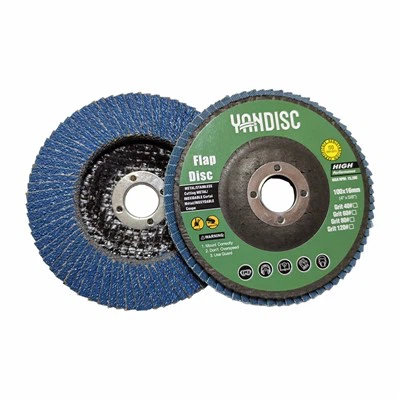
As a supplier of felt wheels, I understand the importance of using high-quality materials to ensure the performance and durability of our products. Whether you are looking for a soft, natural felt wheel for delicate polishing applications or a synthetic felt wheel with high abrasion resistance for heavy-duty grinding operations, there is a material option available to meet your specific needs. By understanding the properties and characteristics of different felt wheel materials, you can make an informed decision when selecting the right wheel for your application.
Abrasive Polishing Wheel If you are interested in purchasing felt wheels for your business or project, I encourage you to contact me to discuss your specific requirements. I can provide you with detailed information about our product range, including the materials used, the performance characteristics, and the pricing. Our team of experts is also available to offer technical support and advice to help you choose the right felt wheel for your application. Let’s work together to find the perfect solution for your polishing and buffing needs.
References
- "Felt: A Versatile Material." Felt Manufacturers’ Association.
- "Polyester and Nylon in Industrial Applications." Journal of Synthetic Materials.
- "Wool and Its Properties." Textile Research Institute.
Henan Yandisc Hardware Tools Co., Ltd.
As one of the most professional felt wheel manufacturers and suppliers in China, our products have good reputation in the market. Please feel free to wholesale high quality felt wheel made in China here from our factory. Customized orders are welcome.
Address: Zinan Road, High-tech Industrial Development Zone, Zhengzhou, Henan, China
E-mail: info@yandisc.com
WebSite: https://www.yandisc.com/
