Hey there! I’m a supplier in the bearing business, and I’ve seen firsthand how important it is to use bearings safely. Whether you’re running a small workshop or a big industrial plant, safety should always be your top priority. In this blog, I’ll share some key safety considerations when using bearings. Bearing
1. Installation Safety
First off, let’s talk about installation. Installing bearings the right way is super crucial. If you mess up the installation, it can lead to all sorts of problems down the road, like premature wear, overheating, and even bearing failure.
- Cleanliness is Key: Before you start installing a bearing, make sure the installation area is spotless. Any dirt, dust, or debris can cause damage to the bearing surfaces. I always recommend using a clean, lint – free cloth to wipe down the shaft, housing, and the bearing itself. Also, use a proper cleaning solution to remove any grease or oil residue that might be present.
- Proper Tools: Use the right tools for installation. Avoid using hammers directly on the bearing because it can cause dents and damage to the raceways and rolling elements. Instead, use press – fit tools or sleeve – type installation tools. These tools distribute the force evenly across the bearing, ensuring a proper and safe installation.
- Correct Fitting: Make sure the bearing fits correctly on the shaft and in the housing. Check the tolerances specified by the bearing manufacturer. If the bearing is too loose, it can move around, causing vibrations and premature wear. If it’s too tight, it can cause excessive stress on the bearing, leading to failure.
2. Handling and Storage
How you handle and store bearings also plays a big role in their safety and performance.
- Gentle Handling: Bearings are delicate components. When you’re moving them around, be gentle. Don’t drop them or subject them to any sudden impacts. Even a small impact can cause internal damage that might not be visible at first but can lead to problems later on.
- Proper Storage: Keep bearings in a clean, dry place. Moisture can cause rust and corrosion, which will definitely shorten the bearing’s lifespan. Store them in their original packaging if possible, or use a protective covering. Also, make sure to store bearings away from any magnetic fields because they can attract metal particles, which can contaminate the bearing.
3. Lubrication Safety
Lubrication is like blood for bearings. It reduces friction, dissipates heat, and protects the bearing from wear and corrosion. But you need to do it right.
- Right Lubricant: Choose the correct lubricant for your bearing. Different types of bearings and applications require different lubricants. For example, high – speed bearings might need a low – viscosity lubricant, while heavy – load bearings might need a high – viscosity one. Check the manufacturer’s recommendations for the best lubricant to use.
- Proper Lubrication Amount: Don’t over – lubricate or under – lubricate the bearing. Over – lubrication can cause excessive heat buildup, which can damage the bearing. Under – lubrication, on the other hand, won’t provide enough protection, leading to increased friction and wear. Use the recommended amount of lubricant based on the bearing size and application.
- Lubrication Frequency: Follow a regular lubrication schedule. Over time, the lubricant can break down and lose its effectiveness. So, make sure to replenish it at the right intervals to keep the bearing running smoothly.
4. Operating Conditions
The environment in which the bearing operates can have a huge impact on its safety and longevity.
- Temperature: Bearings have a specific temperature range in which they can operate safely. If the temperature is too high, it can cause the lubricant to break down and the bearing material to expand, leading to excessive stress and possible failure. If it’s too low, the lubricant can become too thick, reducing its effectiveness. Monitor the temperature regularly and take steps to control it, like using cooling systems or insulation.
- Vibration and Shock: Excessive vibration and shock can damage the bearing. These can be caused by misaligned shafts, unbalanced loads, or external forces. To minimize vibration, make sure the equipment is properly balanced and aligned. Use vibration – dampening materials if necessary. Also, avoid sudden starts and stops, as they can cause shock to the bearing.
- Contamination: Keep the bearing environment clean. Dust, dirt, and other contaminants can get into the bearing and cause wear and damage. Use seals and shields to protect the bearing from external contaminants. In dirty environments, consider using additional protection, like enclosures or breathers.
5. Maintenance and Inspection
Regular maintenance and inspection are essential for bearing safety.
- Visual Inspection: Periodically check the bearing for any signs of wear, damage, or corrosion. Look for things like discoloration, cracks, or pits on the bearing surfaces. Also, check the seals and shields to make sure they’re in good condition.
- Performance Monitoring: Monitor the bearing’s performance, such as temperature, vibration, and noise. Any sudden changes in these parameters can indicate a problem with the bearing. Use monitoring equipment, like temperature sensors and vibration analyzers, to keep track of the bearing’s condition.
- Replacement Timing: Know when it’s time to replace a bearing. Don’t wait until it fails completely, as this can cause more damage to the equipment and lead to costly downtime. Based on the manufacturer’s recommendations and your own inspection results, set a reasonable replacement schedule.
Why Choose Our Bearings?
As a bearing supplier, I can tell you that our bearings are top – notch. We source high – quality materials and use advanced manufacturing processes to ensure the reliability and safety of our products. Our team of experts can also provide you with professional advice on bearing selection, installation, and maintenance.

If you’re looking for safe and high – performance bearings for your application, don’t hesitate to get in touch with us. We’re always ready to discuss your needs and provide you with the right solutions. Whether you need bearings for a small project or a large – scale industrial operation, we’ve got you covered.
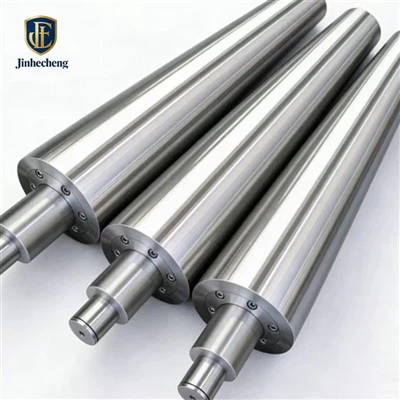
Mirror Chrome Roller So, if you have any questions or want to start a procurement discussion, feel free to reach out. We’re here to help you make the best choices for your bearing needs.
References
- "Bearing Installation and Maintenance Handbook" by SKF
- "Fundamentals of Bearings" published by Timken
- Industry – specific technical manuals from various bearing manufacturers.
Qingdao Jinhecheng Machinery Co., Ltd.
Address: Aishan Industrial Park, Yanghe Town, Jiaozhou, Qingdao City, Shandong Province
E-mail: alice@jhcroller.com
WebSite: https://www.jhcroller.com/
