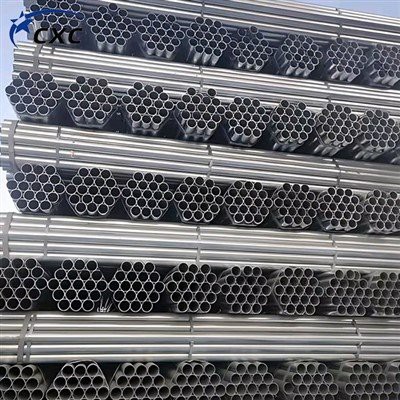
Hey there! I’m in the business of supplying round steel pipes, and I know firsthand how crucial it is to ensure proper alignment during installation. Whether you’re working on a small DIY project or a large-scale construction job, getting those pipes lined up just right can save you a ton of headaches down the road. Round Steel Pipe
Why Alignment Matters
First off, let’s talk about why alignment is such a big deal. When round steel pipes aren’t properly aligned, it can lead to a whole bunch of problems. For starters, it can cause stress concentrations in the pipes, which can weaken them over time and increase the risk of leaks or even pipe failure. Misaligned pipes can also make it difficult to connect fittings and other components, which can slow down the installation process and lead to costly delays.
In addition to these practical concerns, proper alignment is also important for aesthetic reasons. In many applications, such as architectural or decorative projects, the appearance of the pipes is just as important as their functionality. Misaligned pipes can look unsightly and detract from the overall look of the project.
Pre-Installation Planning
So, how do you ensure that your round steel pipes are properly aligned during installation? Well, the first step is to do some careful planning before you even start laying the pipes. This includes measuring the installation area, determining the required pipe lengths and diameters, and creating a detailed layout plan.
When measuring the installation area, it’s important to be as accurate as possible. Use a high-quality measuring tape or laser level to ensure precise measurements. You should also take note of any obstacles or irregularities in the installation area, such as walls, columns, or uneven floors, as these can affect the alignment of the pipes.
Once you have your measurements, you can determine the required pipe lengths and diameters. Make sure to choose pipes that are the right size and thickness for your application. You should also consider the type of material the pipes are made of, as different materials have different properties and requirements.
After you have your pipe lengths and diameters determined, it’s time to create a detailed layout plan. This plan should show the location of each pipe, as well as any fittings, valves, or other components that will be used. You should also include measurements and angles to ensure that the pipes are installed in the correct position.
Installation Techniques
Once you have your pre-installation planning done, it’s time to start installing the pipes. There are several techniques you can use to ensure proper alignment during installation. Here are some of the most common methods:
Laser Alignment
One of the most accurate and efficient methods of aligning round steel pipes is to use a laser alignment system. These systems use lasers to project a straight line onto the pipes, allowing you to easily see if they are aligned or not. Laser alignment systems can be used for both horizontal and vertical pipes, and they can be very precise, making them ideal for large-scale projects.
String or Wire Alignment
Another common method of aligning pipes is to use a string or wire. This method involves stretching a string or wire between two points and using it as a guide to align the pipes. The string or wire should be pulled tight and level to ensure accurate alignment. This method is relatively simple and inexpensive, but it may not be as precise as a laser alignment system.
Wedges and Shims
In some cases, you may need to use wedges or shims to adjust the alignment of the pipes. Wedges and shims are small pieces of material that can be placed under the pipes to raise or lower them slightly. They can be used to correct minor alignment issues or to ensure that the pipes are level.
Clamps and Brackets
Clamps and brackets can also be used to hold the pipes in place and ensure proper alignment. They can be used to secure the pipes to a wall, floor, or other structure, and they can be adjusted to ensure that the pipes are aligned correctly.
Final Checks and Adjustments
Once the pipes are installed, it’s important to do a final check to make sure that they are properly aligned. This includes checking for any visible gaps or misalignments, as well as using a level or other measuring tool to ensure that the pipes are straight and level.
If you find any alignment issues, you should make the necessary adjustments before proceeding. This may involve loosening and re-tightening the clamps or brackets, or using wedges and shims to adjust the position of the pipes.
Conclusion
Ensuring the alignment of round steel pipes during installation is essential for the proper functioning and longevity of your piping system. By following the tips and techniques outlined in this blog post, you can ensure that your pipes are installed correctly and that they will provide reliable service for years to come.
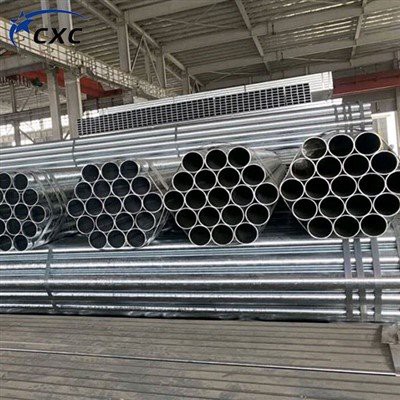
If you’re in the market for high-quality round steel pipes, look no further! As a trusted supplier, we offer a wide range of round steel pipes to meet your needs. Whether you’re working on a small DIY project or a large-scale commercial construction job, we have the pipes and expertise to get the job done right.
Bright Steel Pipe Contact us today to discuss your requirements and get a quote. We look forward to working with you!
References
- "Pipe Installation Handbook," McGraw-Hill Professional
- "Steel Pipe Design and Installation Guidelines," American Institute of Steel Construction
Wuxi Chengxingchuang Metal Products Co., Ltd.
As one of the most professional round steel pipe manufacturers and suppliers in China, we’re featured by quality products and good price. Please rest assured to buy cheap round steel pipe for sale here from our factory. Customized orders are welcome.
Address: No. 8-2, Zhoujia Lane, Liangxi District, Wuxi City, Jiangsu Province, China
E-mail: 13961862735@163.com
WebSite: https://www.cxcsteeltube.com/
